
N-Type 16BB 400W Bifacial Solar Panel review
Are you thinking about fitting the N-Type 16BB 400W Bifacial Solar Panel, 2Pcs 200 Watt Solar Panel 12V, 25% High Efficiency, Dual-module Parallel Anti-Shade Design, for RV Van Marine Home Rooftop Off-Grid Systems (2 Pack 200W) on your roof or vehicle?

Quick summary
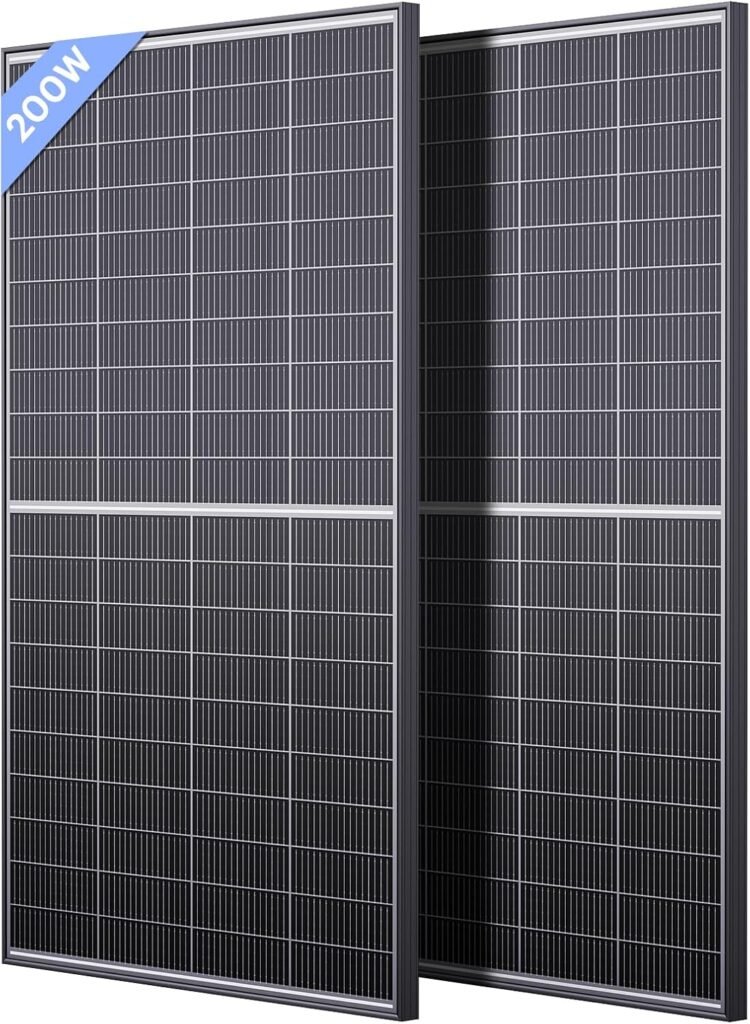
You get two 200W panels that together give a 400W nominal capacity, built with N-type cells and a 16-busbar layout that aims to boost efficiency and reliability. The panels are bifacial, meaning they can harvest light from both the front and the rear, and they use a TwinCell dual-module parallel design to increase tolerance to shading. Overall, this is a compact, lightweight kit targeted to van/RV owners and small off-grid setups who want a higher-efficiency, long-lasting solution.
What’s included
You should expect two 200W solar panels, each designed for 12V systems and pre-drilled for mounting. The listing focuses on the panels themselves; additional hardware like cables, MC4 connectors, or mounting rails may not be included, so you should verify what comes in the box before planning your install. If you need additional parts, your local solar supplier or installer can help source compatible connectors and rails.
Key features
This product blends several modern solar technologies aimed at getting more usable energy from limited space. You’ll find N-type cells for better efficiency, a thin but strong frame and tempered glass for longevity, IP68-level protection for harsh conditions, and a bifacial backsheet to add rear-side energy gain when installed over reflective surfaces. Those features combined make the panels well suited for cramped rooftops and mobile installations that face shading and heat.
N-Type 16BB solar cells
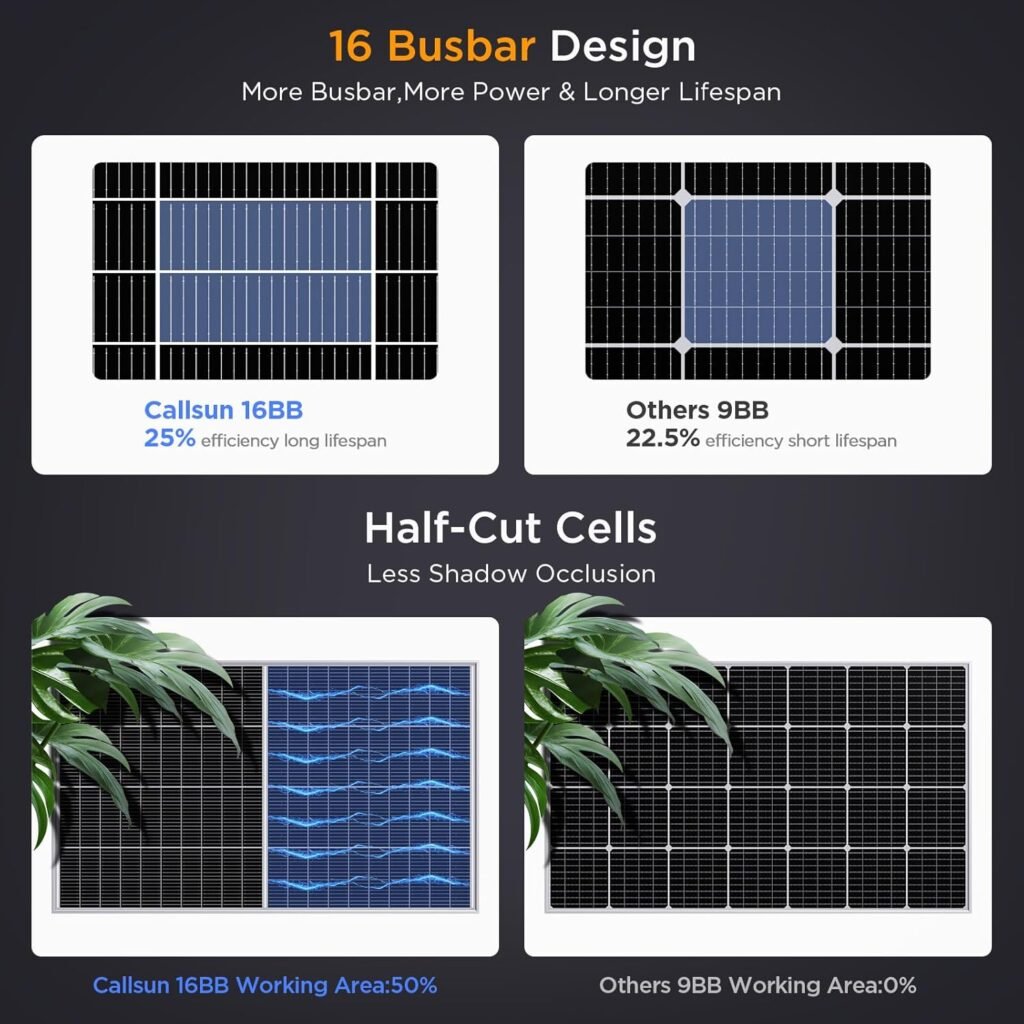
The panels use N-type monocrystalline cells, which typically produce higher output and show improved resistance to light-induced degradation compared to conventional P-type cells. You’ll also benefit from a 16-busbar (16BB) layout that narrows current paths and reduces the chance of hot spots and micro-crack impacts. For you, that translates to slightly better efficiency and better long-term reliability.
Bifacial technology and rear-side gain
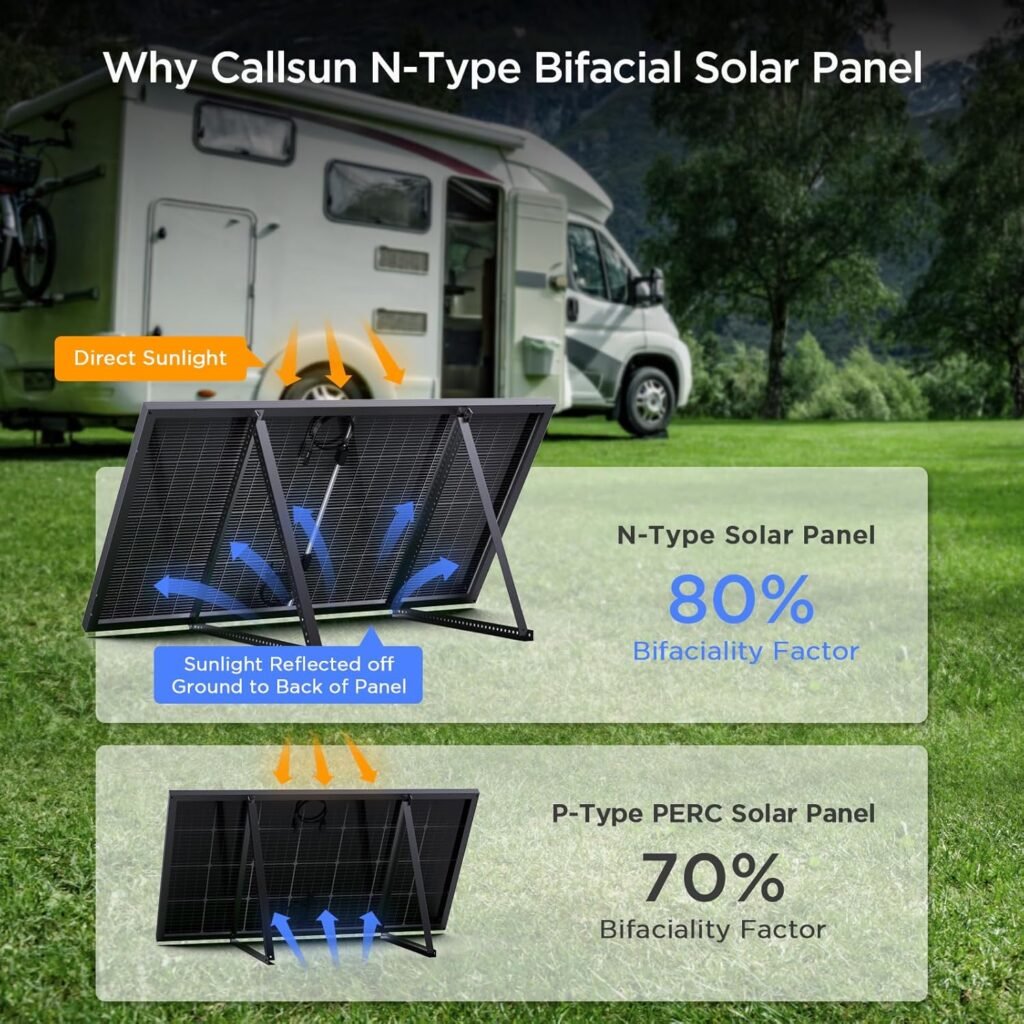
Because these panels have a transparent backsheet, they can capture light that reaches the rear side — reflected ground light, diffuse sky radiation, and indirect sunlight. Under favorable conditions (reflective ground surfaces, light-colored roofs, or mounting above reflective surfaces), the manufacturer claims up to a 30% boost in total output. While real-world gain varies, you should see meaningful extra energy if your installation encourages rear-side illumination.
TwinCell anti-shade design
The dual-module parallel layout splits each panel electrically into two independent halves. If partial shading hits one half, the other half can continue producing power. That gives the panel improved shading tolerance — the manufacturer states up to 50% better than a single-cell-string layout. For you, this means more reliable output in environments with trees, vents, or rooftop obstacles.
Compact footprint and vehicle-friendly size
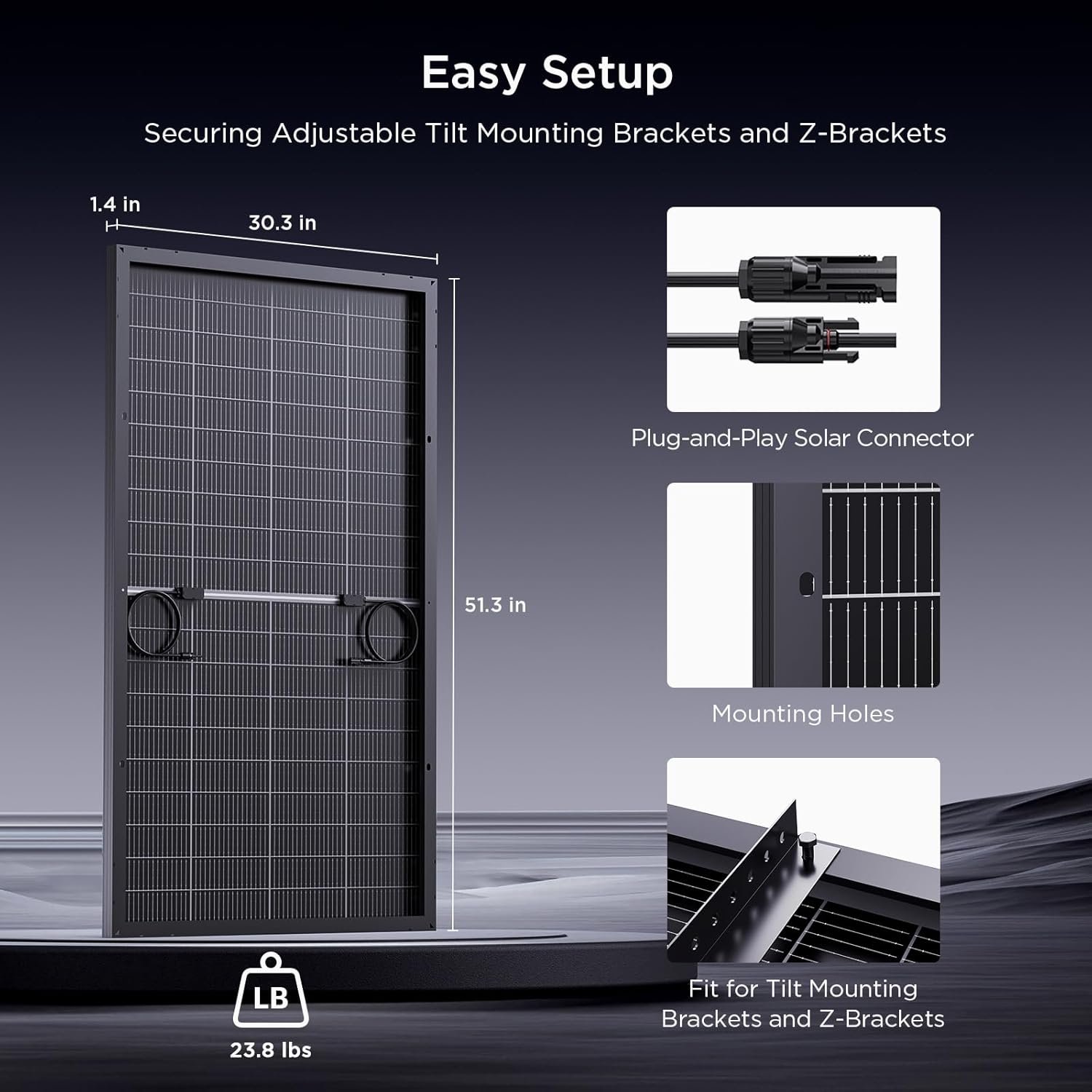
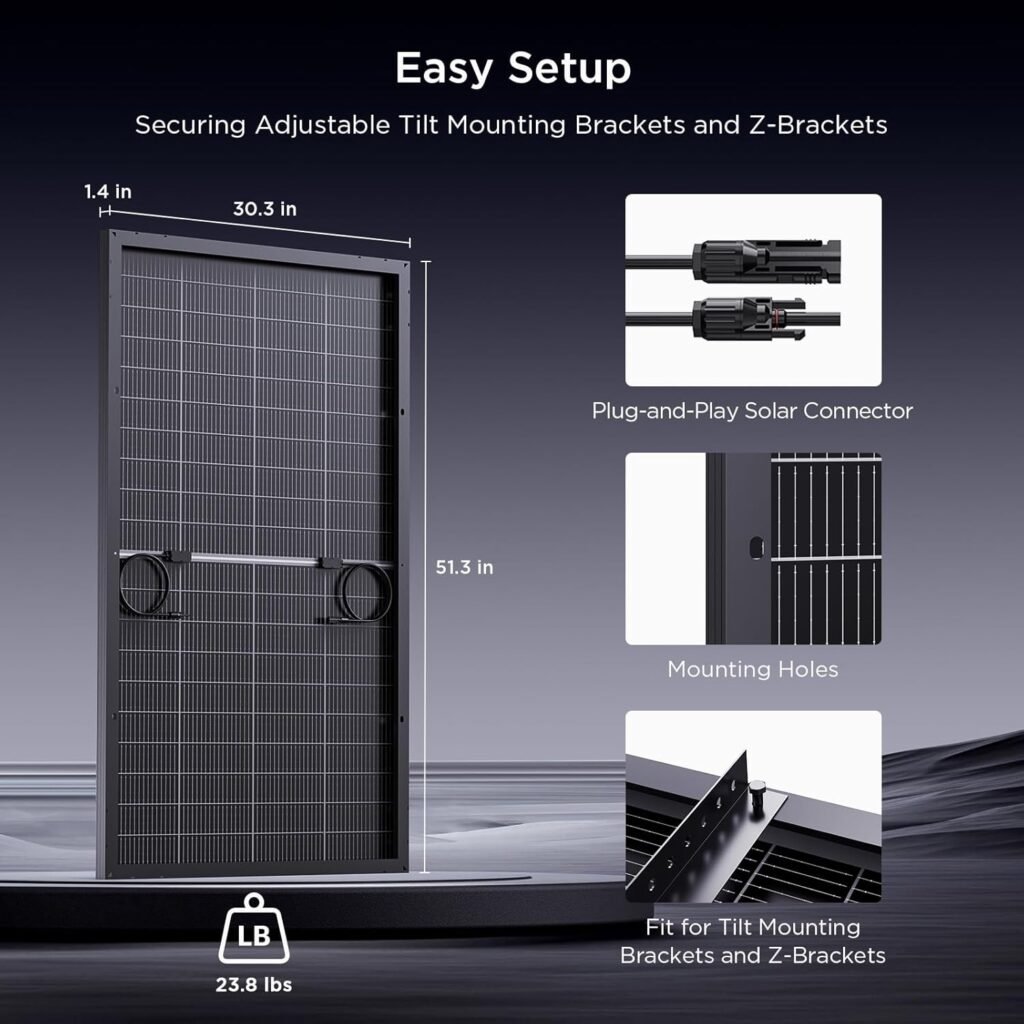
At roughly 51.3 x 30.3 x 1.4 inches and 23.8 pounds per panel, these 200W panels pack decent power into a compact, lightweight form factor. That makes them easier to fit on Class B vans, camper roofs, or limited rooftop spaces where a full-sized 1000W array isn’t possible. You’ll appreciate the manageable weight during handling and the pre-drilled mounting holes for a faster install.
Durability and weather resistance
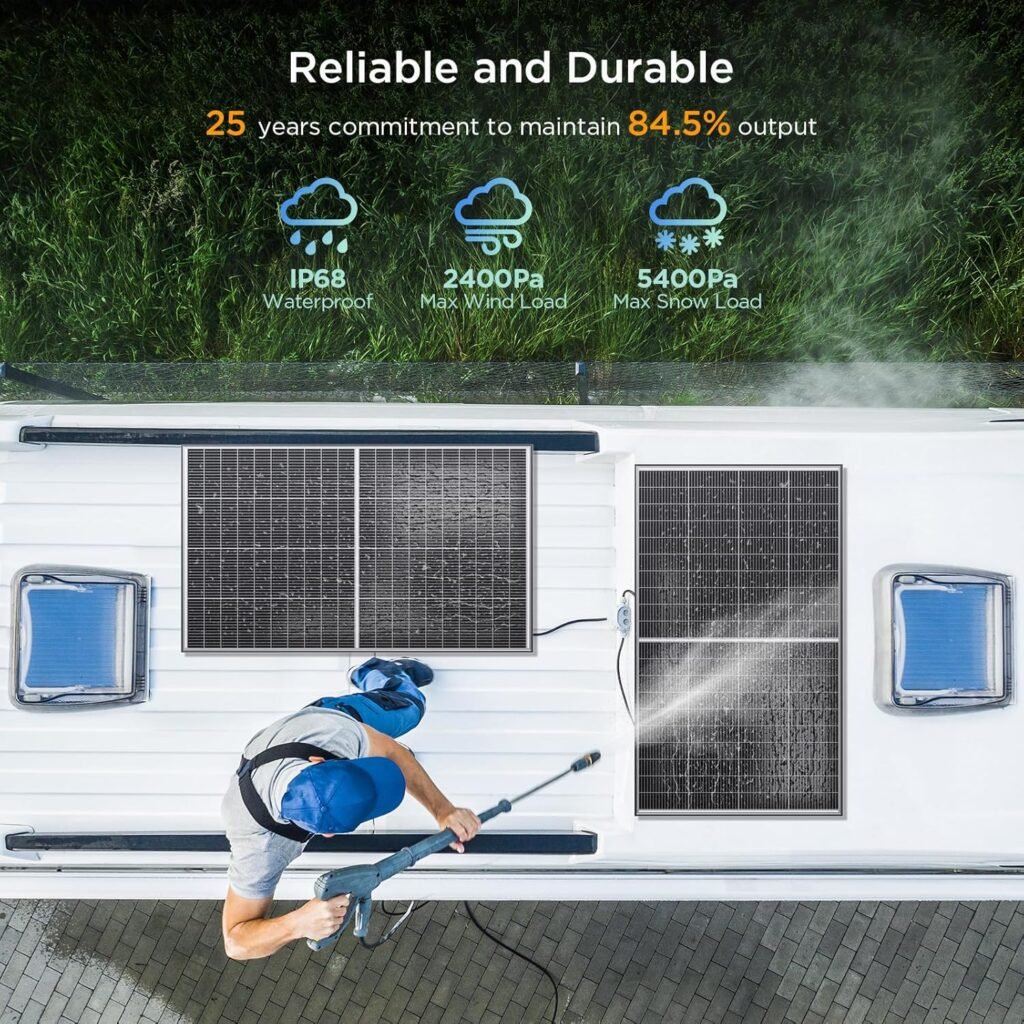
The panels pair tempered glass with a corrosion-resistant aluminum frame and claim IP68 waterproofing for critical components. Those choices are designed to handle rain, salt spray, and long-term exposure to the elements. The manufacturer also highlights an expected service life of up to 30 years, suggesting these panels are built to last longer than many standard units.
Heat performance and temperature coefficient
A low temperature coefficient of -0.3%/K means the panels lose less power as module temperature rises. For you, that’s important if you live in hot climates or plan to deploy the panels on RVs or boats where solar modules can heat up significantly. The lower coefficient helps maintain steadier performance during hot days.
Warranty and long-term support
You’ll get 10 years of tech support for materials and workmanship plus a 25-year output commitment maintaining at least 84.5% of rated power. That warranty profile is competitive and gives you some assurance of manufacturer backing if issues arise down the road. If you have questions about system design or service, the supplier says their team will assist.
Technical specifications (at-a-glance)
Below is a compact table to help you quickly understand the core technical details that matter when sizing a system or comparing panels.
| Specification | Value / Details |
|---|---|
| Panel configuration | 2 x 200W panels (400W nominal total) |
| Cell type | N-type monocrystalline |
| Busbar | 16BB (16 busbars) |
| Panel efficiency | Up to 25% (cell/module) |
| Bifacial rear gain | Up to +30% additional energy (site-dependent) |
| Shading tolerance | TwinCell (dual-module parallel) — up to ~50% improved shade resilience |
| Nominal system voltage | 12V system compatible |
| Dimensions (per panel) | 51.3 x 30.3 x 1.4 inches |
| Weight (per panel) | 23.8 lbs |
| Temperature coefficient | -0.3%/°C |
| Encapsulation | Transparent backsheet (bifacial) |
| Frame & glass | Tempered glass, corrosion-resistant aluminum |
| Waterproof rating | IP68 (critical parts) |
| Expected lifespan | Up to 30 years |
| Warranty | 10 years materials/workmanship support; 25-year ≥84.5% output guarantee |
You should use this table to confirm compatibility with your charge controller, inverter, and mounting footprint before you buy.
Performance and real-world output
You’ll normally plan your system around the nominal 400W when both 200W panels operate at peak. Practical output depends on sunlight availability, orientation, shading, temperature, and ground reflectivity. Because of the bifacial design, you can capture extra energy from the rear if you mount the panels above a reflective surface or raise them slightly to benefit from albedo.
The TwinCell design helps maintain output when partial shading occurs, meaning you should see fewer severe drops during mornings and evenings when shadows are present. The low temperature coefficient also helps you retain more power during hot days, unlike many panels that suffer larger percentage losses as module temperature increases.
Expected daily production estimates
Below are example estimates to give you a rough idea of daily energy generation for a 2-panel (400W nominal) setup under different “peak sun hours” (PSH). These are simplified calculations assuming ideal tilt/orientation and no major shading. The bifacial gain is included as a site-dependent scenario; your actual results will vary.
| Peak Sun Hours (PSH) | Baseline kWh/day (400W) | With +20% rear gain | With +30% rear gain |
|---|---|---|---|
| 3 PSH | 1.2 kWh | 1.44 kWh | 1.56 kWh |
| 4 PSH | 1.6 kWh | 1.92 kWh | 2.08 kWh |
| 5 PSH | 2.0 kWh | 2.4 kWh | 2.6 kWh |
| 6 PSH | 2.4 kWh | 2.88 kWh | 3.12 kWh |
These calculations assume 400W * PSH = baseline. For you, the bifacial extra can make a noticeable difference in reflective environments like light-colored roofs, sand, snow, or certain marine installations.
Installation and mounting
You’ll find the panel body designed with pre-drilled holes, which speeds mounting on rails or fixed brackets. Because each panel is relatively light (23.8 lbs), you can handle them more easily than heavier modules, which helps if you’re installing on a camper or a boat without a crew. For rooftop installs on vehicles, confirm roof structure and weight limits, and use appropriate mounting hardware to avoid leaks or structural stress.
When mounting for bifacial gain, add a small gap beneath the panel and aim for a moderately reflective surface if possible. Even a slight elevation off the roof can allow rear-side light to contribute meaningfully. For marine or boat installations, ensure corrosion-resistant fasteners and frequent checks, since salt can be aggressive over time.
Wiring and system integration
You should integrate the panels into your 12V system using a compatible MPPT charge controller if you want the best charging efficiency, especially as panel voltage can vary with temperature. If you wire the two panels in parallel (as the product name suggests “Dual-module Parallel”), you’ll keep voltage appropriate for 12V systems and increase current to the controller. Use properly rated cables, a fuse or circuit breaker close to the battery, and quality connectors. If the panels don’t come with MC4 connectors pre-fitted, factor in the extra cost and time to install connectors or an installer.
A recommended checklist for wiring:
- Confirm panel open-circuit voltage (Voc) and max power voltage (Vmp) and match them to your MPPT specs.
- Use appropriate gauge wire for expected current and length to minimize losses.
- Install a fuse/breaker between panels and battery bank to protect against short circuits.
- Use anti-corrosion measures for marine use (e.g., stainless hardware, dielectric grease on connectors).
Pros and cons
You’ll want a balanced view before deciding. Here’s a practical list based on the panel design and typical deployment scenarios.
Pros:
- High-efficiency N-type cells give more output per square foot, helping limited-space setups.
- Bifacial design can provide significant additional yield when installed over reflective surfaces.
- TwinCell anti-shade layout improves real-world performance when partial shading occurs.
- Lightweight, compact 200W panel size fits Class B vans and tight rooftop spaces.
- Low temperature coefficient preserves power output in hot climates.
- Strong mechanical construction with tempered glass and corrosion-resistant frame.
- Competitive warranty structure with 25-year output guarantee (≥84.5%) and 10-year support.
Cons:
- Bifacial gains are highly site-dependent; you won’t always see the full claimed +30%.
- You may need extra mounting hardware and possibly connectors that are not included.
- For maximum rear gain, installation must be optimized (space under panel, reflective surface).
- TwinCell split is great for partial shade, but complete shading of both halves will still reduce output.
- If you need large-scale power, you’ll need many panels, so economy of scale may favor larger panels for some installations.
Comparison to typical P-type panels and other 200W options
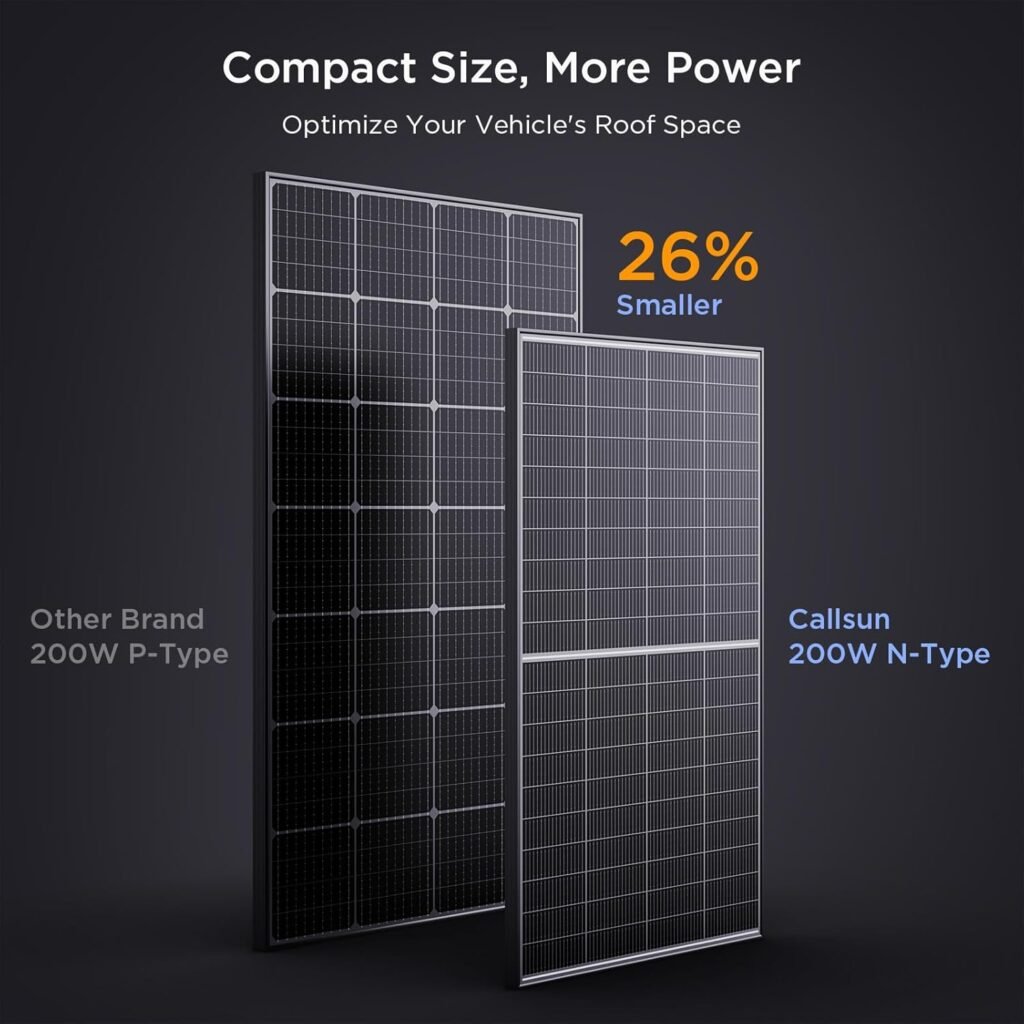
If you compare these panels to standard P-type 200W monocrystalline panels, here’s what you should consider: N-type cells often deliver higher module efficiency and better degradation performance over time. The 16BB layout aims to lower resistive losses and reduce the impact of micro-cracks. The bifacial element is a differentiator; most classic P-type panels have opaque backs and can’t harvest rear-side irradiance.
| Feature | This N-Type 200W Panel (per panel) | Typical P-Type 200W Panel |
|---|---|---|
| Cell type | N-type | P-type |
| Busbars | 16BB | Often 3–6BB |
| Bifacial | Yes (transparent backsheet) | No |
| Shade tolerance | TwinCell split layout | Standard (lower) |
| Temperature coefficient | -0.3%/°C | Often -0.35% to -0.45%/°C |
| Weight | 23.8 lbs | Often heavier or similar |
| Rear-side power potential | Up to +30% (site-dependent) | 0% |
| Typical long-term degradation | Lower (N-type) | Higher |
For you, this means slightly better long-term energy yield and more tolerance to shading and heat if you choose the N-type bifacial panels, especially when space is tight and maximizing kWh per square foot matters.
Who should buy these panels
You should consider these panels if:
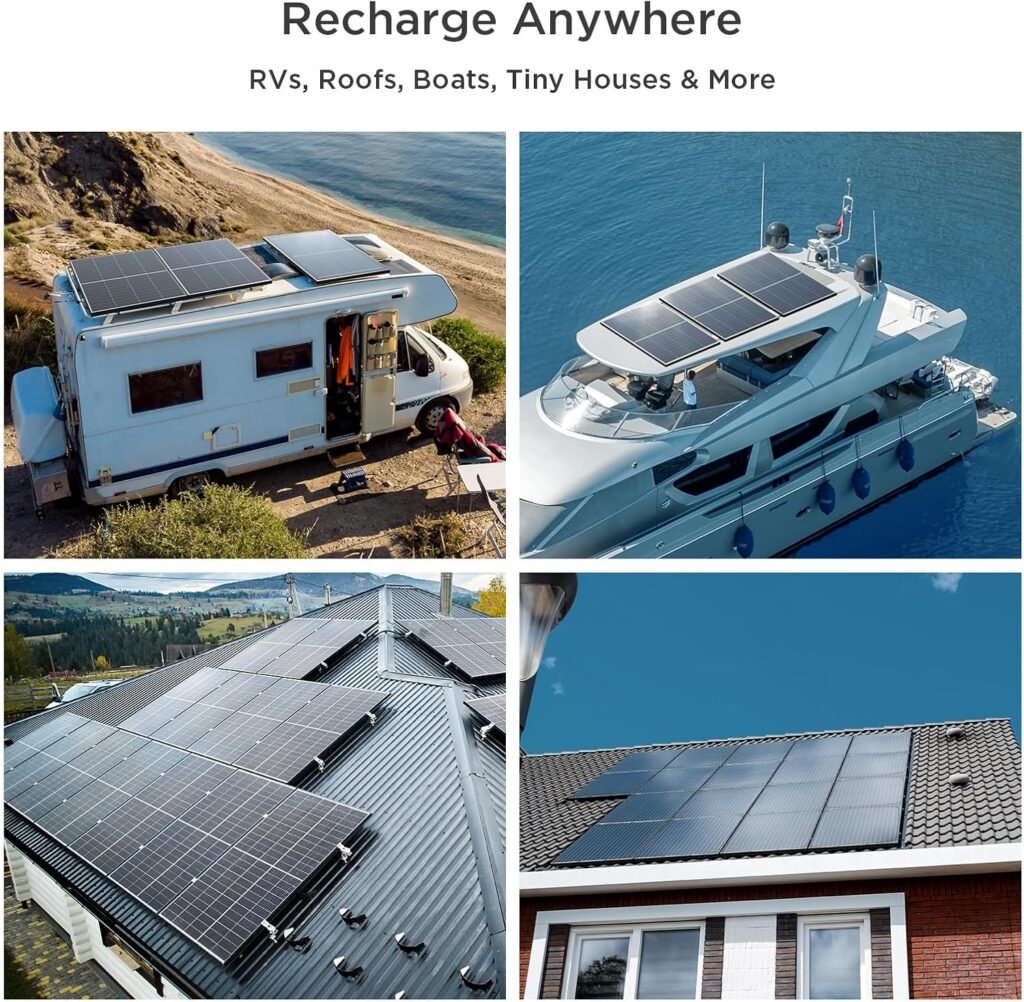
- You operate a Class B van, RV, or small camper with limited roof area and need high power density.
- You run a small off-grid cabin, boat, or rooftop where bifacial gains can be achieved through reflection.
- Shading from vents, skylights, or trees reduces output and you want better tolerance to partial shade.
- You live in a hot climate and want a panel with a lower temperature coefficient.
- You want a longer expected lifespan and a solid long-term output warranty.
If you’re building a large utility-scale array or need tight cost-per-watt bulk economics, larger standard panels may be more cost-efficient. But for mobile and space-limited uses, these panels can be a compelling choice.
Potential limitations and what to watch for
You should be realistic about rear-side gains: they depend on installation height and the reflectivity of the ground below. Concrete, sand, or snow increases rear irradiance; dark roofs or dense vegetation lower it. TwinCell helps with partial shade tolerance but doesn’t prevent losses when both halves are shaded.
Also, check the panel connectors, whether they include MC4 leads, and whether you need branch connectors or additional cabling. If the product doesn’t include mounting hardware, budget for that. For marine installs, confirm truly marine-grade attachments and seal penetrations carefully to avoid leaks.
Maintenance tips to get the most out of the panels
You’ll get the best lifetime energy yield from regular simple maintenance. Clean the front and rear (if accessible) occasionally with fresh water and a soft brush or sponge to remove dust, pollen, salt, or bird droppings. Tighten mounting hardware seasonally to prevent loosening from vibration if you’re on a vehicle. Inspect electrical connections for corrosion and use dielectric grease where appropriate. If you spot any hot spots, delamination, or unusual power loss, contact support early — that 10-year workmanship assistance can be useful.
Practical maintenance checklist:
- Clean surfaces 2–4 times per year (more in dusty/salty environments).
- Inspect frame and seals annually for corrosion or cracks.
- Check electrical connectors and cable insulation each season.
- Monitor output periodically and compare to expected production to detect drops.
Troubleshooting common issues
If you see lower than expected output, work through these checks:
- Verify orientation and tilt relative to the sun; misalignment can cut production dramatically.
- Confirm connections to the charge controller — loose or corroded terminals cause voltage drops.
- Check for shading at various times of day; even small shadows on critical areas can reduce output.
- Look for physical damage: cracks, delamination, or water ingress signs.
- If installed on an RV or boat, ensure vents or equipment aren’t casting new shadows compared to when you tested.
If these steps don’t solve the issue, use the manufacturer warranty/support channels.
Frequently asked questions (FAQ)
Q: Are these two panels wired for parallel out of the box?
A: The product name emphasizes a dual-module parallel design, but you should check whether the panels come pre-wired together. Many kits require you to wire panels in parallel manually. Confirm with the seller what is included.
Q: Will I get a full 30% more energy from the bifacial rear side?
A: That’s optimistic and highly site-dependent. Typical real-world gains range from low single digits up to 30% in the most favorable setups (high albedo surfaces, raised mounts, snow or sand). Plan conservatively and optimize your installation for reflected light if you want more gain.
Q: Can I use these panels on a 24V system?
A: These panels are described as 12V compatible. Two 200W panels wired in series might exceed 12V but will be better suited for higher-voltage systems depending on Vmp and Voc values. Check the panel’s voltage specs and your charge controller’s input limits before wiring for 24V systems.
Q: Do these panels need special mounting because they’re bifacial?
A: Not necessarily, but to maximize bifacial gains you should mount them with a small clearance and, if possible, over a reflective surface. If rear-side illumination isn’t available, they still perform as conventional panels on the front side.
Q: How long before I should expect noticeable degradation?
A: The manufacturer commits to at least 84.5% output at 25 years, which suggests gradual degradation consistent with quality panels. Typical degradation might be ~0.3–0.5% per year; N-type cells often fare better than P-type. Use the warranty and periodic inspections to track long-term performance.
Cost considerations and ROI
You’ll want to weigh initial purchase and installation costs against the expected energy production and lifespan. Because these panels are higher efficiency and claim longer lifetimes, your cost per kWh over the life of the system could be lower than cheaper, lower-efficiency alternatives — especially for limited-roof scenarios where you maximize output per square foot. Include installation, wiring, charge controller (preferably MPPT), and any mounting accessories in your cost analysis. If you’re replacing generator run hours or expensive shore power on an RV or boat, the panels can pay back faster than you might think.
Real-use scenarios and suggestions
- Van life: Install two panels on your roof to power lights, a fridge, or charge batteries. Their size and weight make them easy to fit and lift onto curved roofs with the right brackets.
- Marine: Place them on a raised arch or deck over a light-colored surface to harness rear-side gain; use corrosion-resistant fittings and monitor connectors.
- Tiny cabin or shed: Use the compact footprint to add panels without sacrificing roof space. Pair with a small inverter and battery bank for basic off-grid needs.
- Supplement for home: They’re good for supplementing home systems where space is limited — think balcony or backyard mount over gravel, white roofing, or reflective surfaces.
Final verdict
If you need a compact, high-efficiency solution for a van, RV, small boat, or a tight rooftop where additional rear-side energy is possible, the N-Type 16BB 400W Bifacial Solar Panel pair is a strong choice. You’ll appreciate the N-type cell advantages, the shading resilience from TwinCell, and the potential bifacial gains when installed smartly. Just remember that rear-side benefits require favorable installation conditions and that the kit may need extra mounting hardware or wiring components depending on what’s included. Overall, these panels aim to give you higher usable energy in constrained spaces with a focus on durability and long-term performance.
If you want, I can help you size a charge controller and battery bank for this 400W setup, run production estimates for your exact location, or create a shopping checklist for mounting hardware and wiring to complete your install.
Disclosure: As an Amazon Associate, I earn from qualifying purchases.