
SOLPERK 100W Solar Battery Charger review
Curious if the SOLPERK 100W Solar Battery Charger Solar Battery Maintainer + Upgrade 10A MPPT Charge Controller + Adjustable Mount Bracket for Car RV Boat Motorcycle, 12V Waterproof Solar Panel Kit Trickle Charging is the right choice for your vehicle or off-grid setup?

Product overview
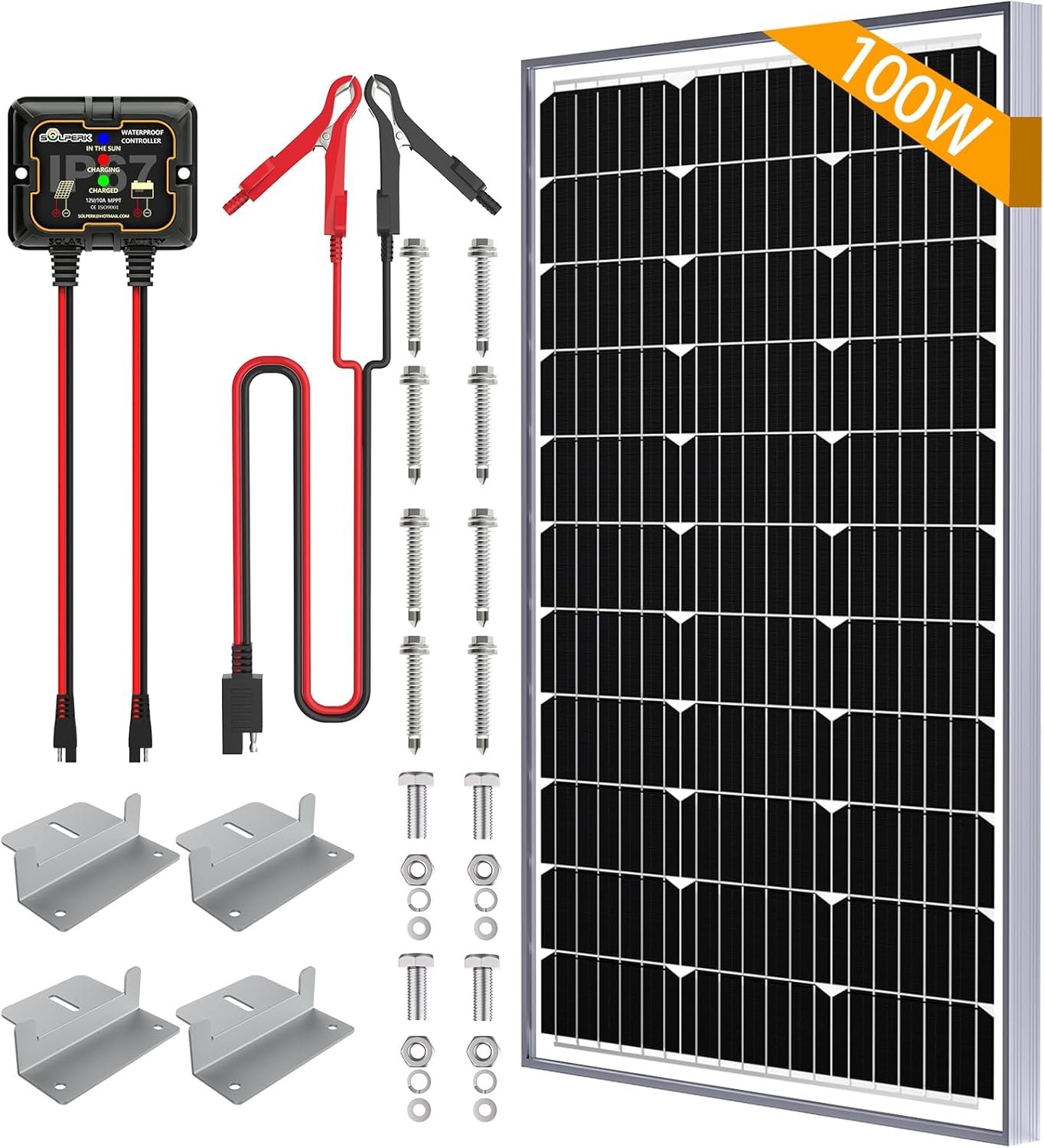
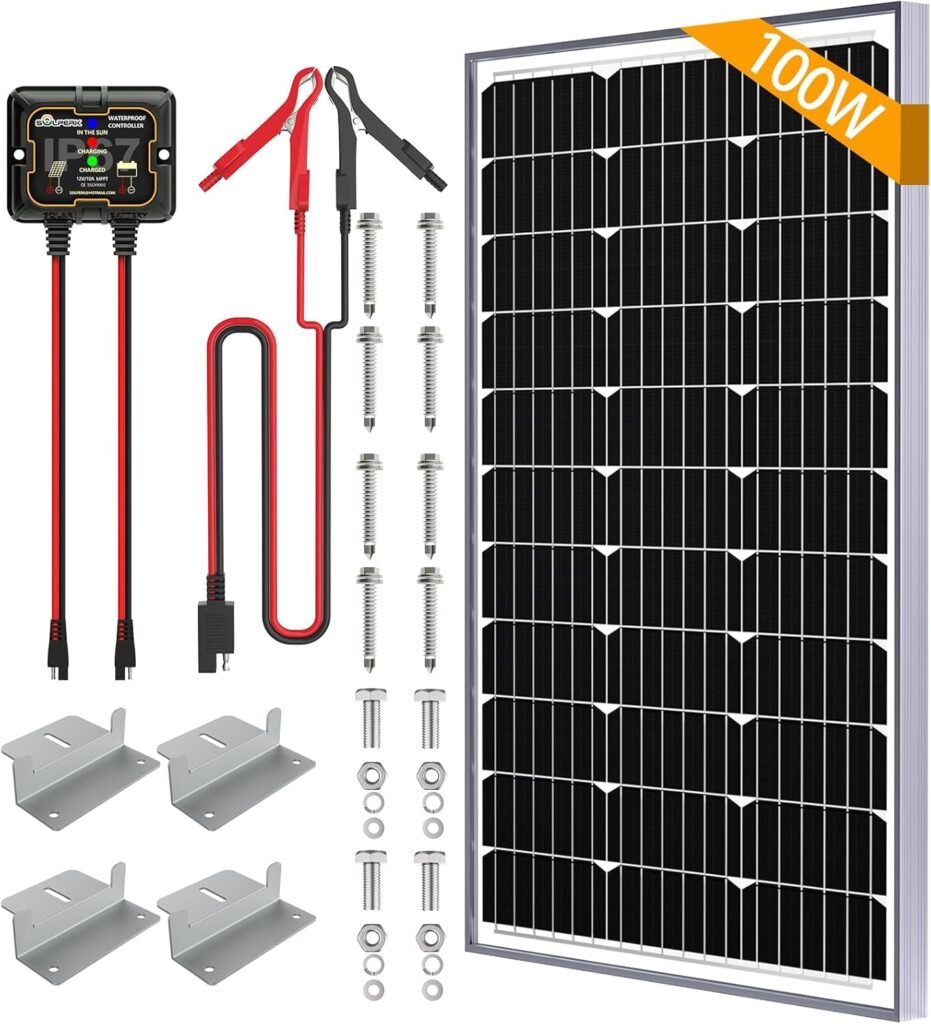
You’re looking at a compact solar kit that’s built for 12V battery systems and trickle charging. The SOLPERK 100W Solar Battery Charger kit includes a 100W monocrystalline panel, a 10A MPPT charge controller, mounting hardware, and alligator clips so you can get started quickly with minimal fuss.
What the manufacturer claims
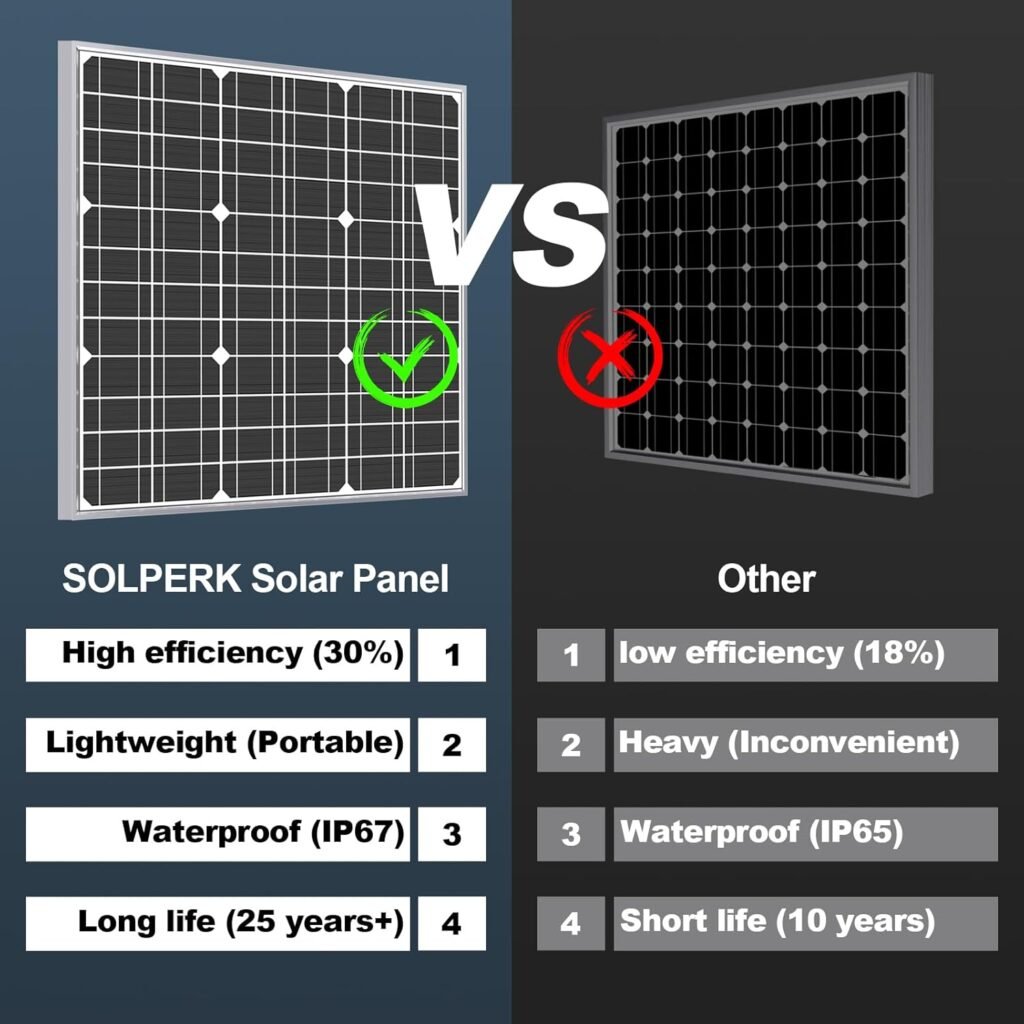
The brand says the included MPPT controller delivers over 30% more power than standard controllers and that the panel uses A+ monocrystalline cells with a stated cell efficiency of around 30%. They also advertise that four hours of full sunlight can generate roughly 400 watt-hours. Those are useful headline numbers that help set expectations, but your real-world results will depend on sun, angle, and system losses.
What’s in the box
You’ll find everything you need to begin basic trickle charging without buying extra parts. The kit comes with:
- 1 x 100W monocrystalline solar panel
- 1 x 10A MPPT solar charge controller (waterproof)
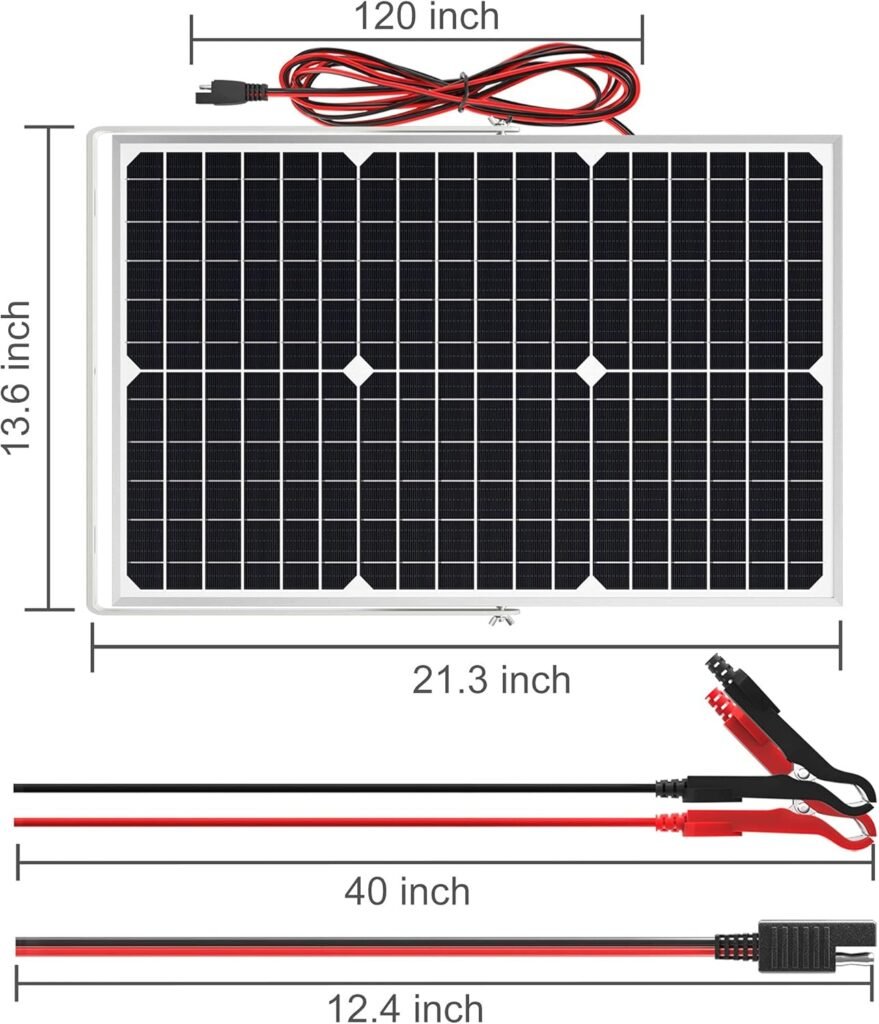
- 1 x 19.7″ alligator clip cable
- 1 x adjustable Z mounting bracket set
- O-rings and a set of mounting pieces This package aims to be plug-and-play: pre-drilled holes on the panel and a ready-made cable means less time prepping and more time charging.
Visual and indicator cues
You’ll see simple LED signals on the controller: blue indicates the panel-controller connection, red means the battery is connected, and green denotes a fully charged battery. Those colors make it easy to confirm status at a glance without digging into menus.
Specifications at a glance
You’ll want a quick reference of the most important specs before deciding. The following table breaks down the key specs you’ll care about.
| Item | Specification |
|---|---|
| Solar panel power | 100W monocrystalline |
| Controller type | 10A MPPT (waterproof, submersible) |
| System voltage | 12V (for battery charging/maintaining) |
| Typical daily energy (manufacturer claim) | ~400 Wh in 4 hours of full sun |
| Application | Car, RV, boat, motorcycle, sheds, caravans, trailers |
| Mounting hardware | Adjustable Z brackets (included) |
| Cable/clip | 19.7″ alligator clip (included) |
| Protections | Overcharge, over-discharge, over-voltage, current surges, overload, short circuit, reverse polarity, overheat |
| Warranty/support | 1 year after-sale service + lifetime technical support, 7×24 support |
Design and build quality
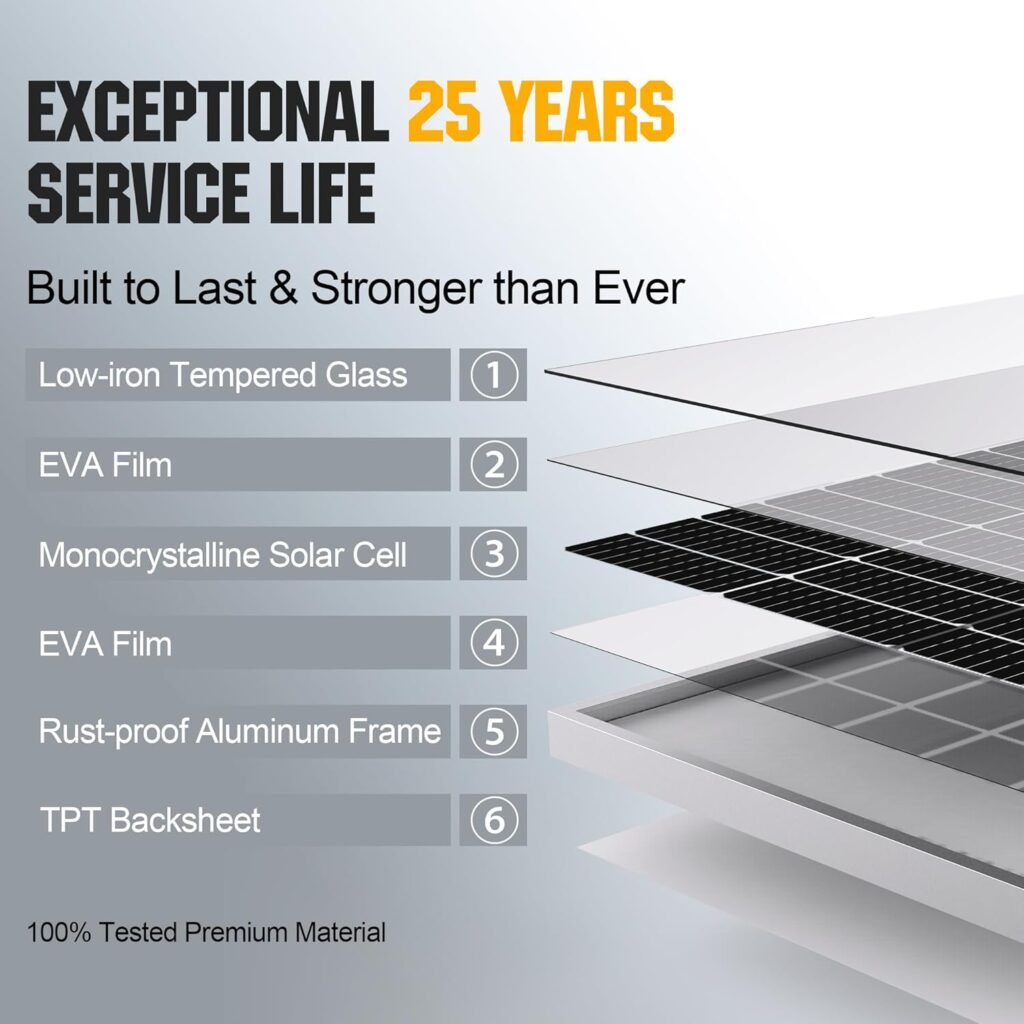
You’ll notice the panel uses monocrystalline cells and a frame that should withstand outdoor use. The kit’s build balances portability and durability, with pre-drilled holes for mounting and an adjustable bracket to fit different angles and installations.
Controller toughness
The MPPT controller included is fully waterproof and is even advertised as submersible, which is useful if you mount it on an exposed boat or in damp environments. That level of protection reduces worry about rain, splash, or accidental exposure, which is a plus for marine and outdoor use.
MPPT controller: why it matters
If you’re used to PWM controllers, the MPPT upgrade in this kit is the primary technical benefit. MPPT (Maximum Power Point Tracking) optimizes the voltage and current from your panel to extract more usable energy for the battery than a simple PWM controller would.
Claimed efficiency gain
SOLPERK claims the MPPT controller provides more than 30% additional power vs. standard controllers. For you, that means shorter charge times and better performance in varied light conditions, especially when the panel voltage can be significantly higher than battery voltage.
Performance expectations
You’ll want realistic expectations so you can plan battery charging and usage properly. With four hours of ideal sun the manufacturer claims about 400 Wh; that matches the simple math of a 100W panel running at full rated power for four hours (100W × 4h = 400Wh).
Real-world variables
Your actual output will vary based on geographic location, time of year, tilt and orientation, shading, temperature, and mounting angle. You’ll likely see lower output on cloudy days, and the panel will perform less efficiently at very high temperatures.
Charging examples and math
It helps to translate watts and watt-hours into battery-related terms you understand. Here are a few examples so you can estimate how the kit might support your battery bank.
- A 12V 50Ah lead-acid battery has a nominal capacity of 600 Wh (12V × 50Ah = 600Wh). If you get 400 Wh from the panel in four peak sun hours, you can recover roughly two-thirds of that battery’s capacity in that window, ignoring controller and conversion losses.
- A 12V 100Ah battery is about 1,200 Wh. Expect around one-third of that capacity from a four-hour 400 Wh input under ideal conditions.
- If you maintain small batteries used in motorcycles, jetskis, or seasonal vehicles, the trickle charge capability will keep those batteries topped off and ready.
Accounting for inefficiencies
You’ll want to factor in conversion losses (controller inefficiency, wiring losses), battery inefficiency (charging acceptance varies by chemistry and state of charge), and any loads that remain connected while charging. A safe estimate is to assume 10–25% system losses from panel to stored energy, so 400 Wh might deliver ~300–360 Wh usable depending on conditions.
Installation and mounting
You’ll find the kit is designed to be straightforward to set up, with pre-drilled holes and a plug-and-play cable. The adjustable Z brackets allow you to tilt and anchor the panel securely on roofs, racks, or flat surfaces.
Step-by-step basics
You’ll typically follow this order: mount the panel using the Z brackets, connect the panel to the MPPT controller (blue LED confirms), then connect the controller to the battery (red LED confirms). Finally, watch the green LED when the battery reaches full charge. The included alligator clips let you try temporary setups before doing a permanent installation.
Mounting considerations
You’ll want to mount the panel where it gets the best sunlight and minimal shading from trees or structures. The adjustable bracket helps you optimize tilt, and the pre-drilled holes make aligning and securing the panel quicker.
Roof, boat, and vehicle tips
For vehicles and boats, consider airflow under the panel to reduce heat. For roof mounts on RVs or sheds, seal any drilled holes to prevent leaks. Always ensure the mounting location can handle the panel’s weight and wind load for long-term resilience.
Compatibility and applications
You’ll be able to use this kit on a wide range of 12V systems. It’s aimed at maintaining and trickle-charging batteries in cars, RVs, boats, trailers, motorcycles, caravans, and garden sheds.
Battery chemistries and types
The controller will generally support common 12V battery chemistries such as lead-acid (flooded/AGM/Gel) and many sealed battery types. If you have lithium batteries, verify controller settings and battery management requirements before connecting, since lithium typically requires specific charge profiles and protections.

Waterproofing and durability
The controller being fully waterproof and submersible is a standout feature in this kit. If you’re installing on an exposed boat deck, near the transom, or in humid climates, you’ll appreciate a controller that won’t fail at the first heavy rainstorm.
Panel weather tolerance
The solar panel itself is built to be outdoors and should resist standard weather exposure, but you’ll still want to protect the connections from prolonged immersion and avoid mechanical stress to the panel glass and frame.
Safety features and protections
You’ll benefit from the controller’s comprehensive safety protections that guard both the panel and battery against common electrical hazards. Protections include overcharging prevention, over-discharge cutoffs, over-voltage protection, surge and overload protection, short-circuit protection, reverse polarity protection, and overheating protection.
Why these protections matter
These built-in safeguards reduce the risk of damaging your battery or electrical system and give you peace of mind during unattended charging. They also simplify setup because the controller manages many failure modes automatically.
Usability and indicators
You’ll like the simplicity: the LED indicators convey system state without complex menus, and the plug-and-play cable shortens setup time. If you prefer deeper telemetry (current, voltage logging, historical stats), you may find this basic kit lacking advanced displays or connectivity options.
Who this suits
If you want a simple, reliable trickle charger for occasional use or maintenance—especially on vehicles and boats—this kit covers the essentials without unnecessary complexity. If you need full monitoring or multi-panel arrays, you may need a larger system or additional accessories.
Pros and cons
You’ll want a candid view of strengths and limitations so you can decide if the kit matches your needs.
Pros:
- MPPT controller for higher energy harvest vs PWM
- Fully waterproof controller (submersible)
- Compact, all-in-one kit with mounts and alligator clips
- LED indicators for quick system status checks
- Broad application range: cars, RVs, boats, motorcycles, sheds
Cons:
- Limited to a single 100W panel and a 10A controller—scaling requires a different kit
- Basic telemetry (no advanced display or data logging included)
- Real-world output will vary; manufacturer’s 30% and 400 Wh claims may represent ideal conditions
Comparison with similar kits
You’ll find other entry-level kits that include PWM controllers or offer larger wattages. Compared to PWM kits, this SOLPERK kit should deliver better performance because of MPPT. Compared to larger or more professional systems, this kit is more portable and budget-friendly but lacks advanced monitoring and expandability.
When to choose something else
If you plan to run heavy loads, support large battery banks, or expand to multiple panels, look for a higher-wattage panel array and a higher-rated MPPT controller with networking or display features.
Installation checklist
Before you start connecting, use this checklist so you don’t miss anything important:
- Choose a sunny, unshaded mounting location with proper tilt and orientation
- Check all connections and polarity before powering up
- Securely attach the Z brackets and seal any roof penetrations
- Confirm the controller’s LED sequence: blue (panel), red (battery), green (full)
- Test voltage at the battery after connection to ensure proper charging
Tools you may need
You’ll need basic tools like a drill and bits for mounting, a wrench for bracket hardware, sealant for roof penetrations, and possibly a multimeter to verify voltages and diagnose issues.
Maintenance and care
You’ll keep the panel performing well with simple upkeep like cleaning and visual inspection. Remove dust, bird droppings, or salt spray with a soft cloth and mild detergent periodically to maintain output.
Controller maintenance
Because the controller is waterproof, maintenance is minimal, but you should still inspect cables and contacts for corrosion, especially in marine environments. Tighten terminals occasionally and replace any damaged cable or connector promptly.
Troubleshooting common issues
If you run into problems, these are the typical causes and what you can try to fix them.
- No LED lights: check cable connections and battery polarity; ensure battery is not deeply discharged below minimum voltage.
- Controller shows panel connected but battery not charging: verify battery voltage and connection; check for blown fuses or damaged cables.
- Lower-than-expected output: inspect for shading, dirt on the panel, incorrect tilt, or high temperature causing derating.
- Overheat fault: ensure the controller has airflow and is not mounted against a heat source.
When to contact support
If you find the controller unresponsive, if protections trip repeatedly without an obvious cause, or if you suspect a manufacturing defect, use the one-year after-sale service and lifetime technical support included with the product.
Battery-specific tips
You’ll get better longevity and performance if you match charging profiles and cut-off thresholds to your battery type. For lead-acid batteries, periodic equalization and avoiding deep discharges extends life. For lithium batteries, confirm safe charge cutoffs and ensure the controller is compatible or use a battery management system (BMS).
Trickle charging best practices
Trickle or maintenance charging is ideal for vehicles or seasonal equipment that sit idle for long periods. Keep the panel connected when the sun is available and check battery voltage occasionally to verify the system is maintaining an appropriate float voltage.
Use-cases and scenarios
You’ll find this kit useful in many real-world situations:
- Keeping an RV battery topped off during seasonal storage or while parked
- Maintaining a boat battery during lay-up or moorage
- Topping up a car or motorcycle battery in storage to avoid a dead start
- Powering small off-grid loads in sheds or cabins, if you accept limited output
Seasonal and emergency use
For winter storage or emergency readiness, this kit helps ensure your vehicle or equipment will start when you need it. For full off-grid energy independence or heavy loads, you’ll need more panels and a higher-capacity controller.
Final verdict
You’ll get a solid entry-level solar charging solution with the SOLPERK 100W Solar Battery Charger kit. The MPPT controller and waterproofing are standout features for the price and intended use, and the included mounting hardware and alligator clips make setup easy. If you want a simple, reliable trickle charger to maintain batteries in vehicles, boats, or small outbuildings, this kit is very practical.
Who should buy it
You should choose this kit if you need a portable, weather-resistant 12V maintenance charger with MPPT advantages and minimal installation complexity. If you need to support larger battery banks, run higher loads, or require advanced monitoring, plan to look at higher-capacity systems.
Warranty, support, and service
You’ll benefit from a one-year after-sale service and lifetime technical support from the vendor. They also advertise 7×24 after-sales service that aims to answer your questions within one day, which is reassuring if you encounter setup or operational issues.
What to keep in mind about returns
Keep your purchase documentation and note the serial numbers or receipts in case you need warranty service. If parts arrive damaged or the controller fails early, contact the support team promptly to use the one-year service.
Practical buying considerations
You’ll want to check shipping, return policies, and whether additional cables or fuse protection are needed for your specific setup. Also verify that your battery chemistry and capacity are compatible with a 10A maximum charge current and a 12V system.
Adding to your system later
If you plan to scale up later, consider whether you’ll want an MPPT charge controller with a higher current rating or an installation approach that accommodates additional panels. This kit is great for starters, but expansion will likely require upgrading the controller and wiring.
Closing tips and final reminders
You’ll get the best performance by mounting the panel at the optimal tilt for your latitude, keeping the glass clean, and protecting connections from corrosion. Regularly check the LED indicators to confirm proper function, and measure battery voltage periodically to ensure the charging profile meets your battery’s needs.
If you’re after a simple, all-in-one 12V maintenance kit with an efficient MPPT controller and solid outdoor durability, the SOLPERK 100W Solar Battery Charger Solar Battery Maintainer + Upgrade 10A MPPT Charge Controller + Adjustable Mount Bracket for Car RV Boat Motorcycle, 12V Waterproof Solar Panel Kit Trickle Charging delivers a compelling balance of features, convenience, and protection for everyday battery maintenance.
Disclosure: As an Amazon Associate, I earn from qualifying purchases.