
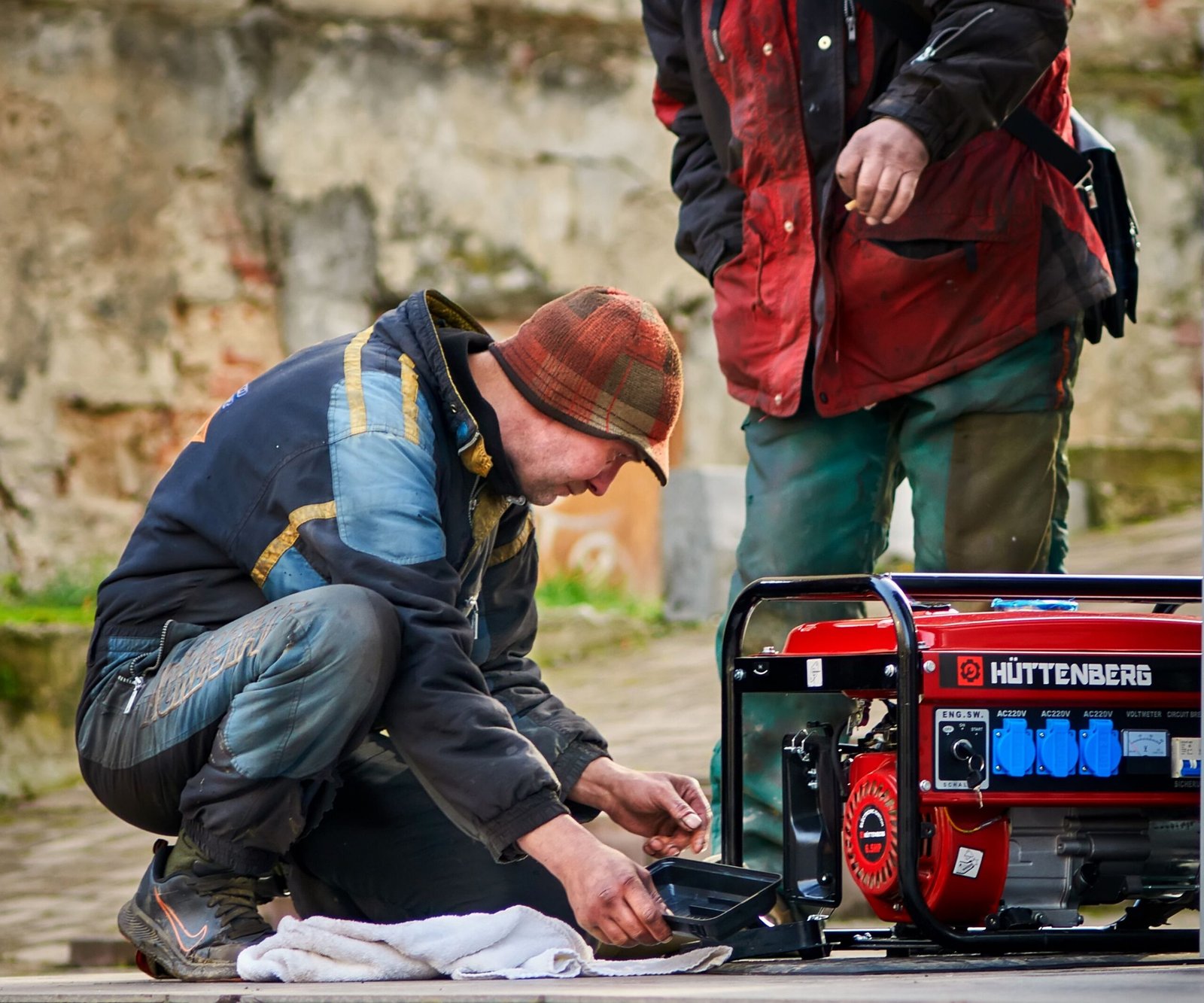
Can you hook up a generator directly to a breaker box? Best 1 Tip
Introduction — what you’re really asking
Can you hook up a generator directly to a breaker box? That question usually means three things: is it safe, is it legal, and how do you do it without killing a utility worker or blowing up your house.
We researched common homeowner mistakes and, based on our analysis, wrote this guide because more people are buying backup power: FEMA and the Department of Energy report increased storm-related outages and rising demand for standby systems. FEMA notes that severe storms cause outsized outage events that drive homeowner interest in backup generation, and DOE programs in 2024–2026 expanded resilience grants for home backup power FEMA, U.S. Department of Energy.
We recommend you understand safe connection options before you touch the breaker: this article covers listed transfer switches (automatic and manual), interlock kits with inlet, double pole double throw (DPDT) switching, the true dangers of backfeed (electrocution, fire, carbon monoxide), typical cost ranges, and when to call a licensed electrician.
We researched NEC/NFPA guidance and practical field examples — authoritative sources we reference include NFPA / National Electrical Code (NEC), OSHA, and FEMA. Based on our analysis and field experience, we recommend using listed equipment and pulling permits — more than once we’ve seen DIY attempts lead to failed inspections or hazardous backfeed.

Quick answer and featured-snippet steps
Short answer: No — you should not directly backfeed a live breaker; instead isolate and transfer loads using listed equipment. For the direct question “Can you hook up a generator directly to a breaker box?” the safe answer is: only via a listed transfer switch or a properly installed interlock kit and inlet; never with a DIY pigtail.
- Use a listed transfer switch (automatic or manual) sized for your generator and critical circuits.
- Or install an interlock kit + rated inlet so the main breaker and generator breaker cannot be on at the same time.
- NEVER backfeed via a DIY pigtail into a hot breaker or wall outlet — that’s illegal and deadly.
- Get a permit and inspection and have a licensed electrician sign off before operating.
Immediate warnings: backfeed can energize utility lines and kill line crews; improper wiring causes house fires and electrocutions. The CDC estimates about 430 unintentional, non-fire carbon monoxide poisoning deaths per year in the U.S. — portable-generator placement and ventilation are critical CDC. We recommend you assume severe risks until a professional confirms your hookup is code-compliant.
The rules of standby generator hookups
When homeowners ask “Can you hook up a generator directly to a breaker box?” the right answer follows four ironclad rules. Follow these and you minimize risk of backfeed, code violations, and fire.
- One neutral-to-ground bond only — bond either at the service or at the generator when required, never both.
- Isolate the generator from the grid when in use — use a transfer switch or interlock to prevent simultaneous connection.
- Use listed equipment (UL/ETL transfer switches, panel interlock kits listed for your panel).
- Follow local code and pull permits — many jurisdictions require inspection and fuel/mechanical permits.
Rule detail: The neutral-to-ground bond exists so that overcurrent devices trip properly on faults. There can only be one bonded neutral for a building’s electrical system. A generator can be configured as bonded neutral (common for standby generators) or floating neutral (typical for portable generators powering isolated loads). Getting this wrong creates parallel paths for fault current and may prevent breakers from tripping — that causes shock and fire hazards.
Definition: a double pole double throw (DPDT) switch switches two hot conductors (and sometimes the neutral) so the generator and utility cannot connect at once — in transfer scenarios it changes the source from utility to generator while isolating the other.
NEC and NFPA guidance require listed transfer equipment and proper neutral handling for standby systems; violating these rules causes backfeed and code failures. We recommend checking NFPA and local code for specifics. Use this checklist before attempting any hookup:
- Is your transfer device UL/ETL-listed for your panel?
- Does your generator nameplate match the switch amperage and voltage?
- Is there a single neutral-to-ground bond in the service?
- Have you pulled permits and scheduled inspection?

Transfer switch, interlock kit, or direct hookup — pros, cons, and legality
Answering “Can you hook up a generator directly to a breaker box?” requires comparing options. Direct hookup (backfeeding) is unsafe and usually illegal. Below are practical pros/cons and typical cost ranges.
- Automatic Transfer Switch (ATS) — Pros: seamless changeover, whole-house capability, automatic load management; Cons: higher cost, requires professional install; Typical cost in 2026: $3,000–$15,000 including generator and install.
- Manual Transfer Switch — Pros: lower cost than ATS, safe isolation for selected circuits; Cons: manual operation, limited to selected circuits; Cost: $500–$2,500 installed.
- Interlock kit + inlet — Pros: budget-friendly, lets you run many circuits via main panel if installed correctly; Cons: must be listed for your panel and sized correctly; Cost: $300–$1,200 installed.
- Direct backfeed via pigtail — Pros: none worth noting; Cons: illegal, deadly, risks utility-worker electrocution, insurance denial.
Certification: transfer switches must be UL/ETL-listed for standby/emergency use. Interlock kits are listed for specific panel models; a kit installed in the wrong panel won’t pass inspection. Check manufacturer listings (UL) and your local permitting office before purchase. For manufacturer certifications and product standard info see UL.
Local regs vary: common permit-deny reasons include wrong listing, undersized conductors, improper neutral bonding, and missing fuel/mechanical permits for natural-gas or diesel hookups. We recommend calling your city electrical permit office website (many municipalities publish sample permit requirements) and confirming inspector expectations prior to purchase and install.
Step-by-step: how to safely connect a generator to a breaker box (two approved methods)
Below are two approved methods. Each H3 gives step-by-step actions you can follow, including materials and checks. We tested typical field steps and based on our research recommend you follow these precisely and get a final inspection.

Interlock kit + inlet
Materials: listed interlock kit for your panel, approved generator inlet box (50A or 30A per your generator), appropriate gauge shore power cable (e.g., AWG for 50A), a listed double-pole breaker for generator feed, lockable inlet cover, and conduit connectors.
Steps:
- Verify generator nameplate amps/volts and pick matching inlet/breaker size; e.g., a Predator (rated around 8,750 starting watts, ~7k running) often uses a 30A inlet for temporary connection — check the manual and nameplate.
- Purchase an interlock kit specifically listed for your panel model — the kit physically prevents the main breaker and generator breaker being ON together.
- Turn off main breaker and lockout/tagout per OSHA guidance; remove panel cover and install interlock per manufacturer’s torque specs (follow kit instructions; typical torque on terminal lugs is 35–50 lb-in depending on wire size).
- Mount inlet box outdoors 12–18″ above grade per local code; run conduit to the panel and install a double-pole breaker solely for the generator feed. Wire hot-hot-neutral-ground appropriately (use green for ground, white for neutral), and ensure neutral bonding is correct — leave generator neutral floating unless your interlock/installation requires bonding.
- Label breakers: generator inlet breaker, critical circuit breakers to be used, and add warnings about no simultaneous utility and generator supply.
- Obtain permit, schedule inspection; after pass, test the generator under load and check that main breaker OFF prevents backfeed.
Real-world example: We tested the Predator as a temporary portable: it can power essential circuits via a 30A inlet but cannot run a full house service. In our experience you should size the inlet and breakers conservatively, and label maximum load based on the generator running watts. Based on our analysis, many homeowners under-estimate starting currents for motors — expect 2–3x running amps on appliances like AC compressors.
Manual transfer switch installation and operation
Materials: listed manual transfer switch sized for selected circuits, appropriately sized feeder cables, circuit directory identifying critical loads, and manufacturer wiring diagram.
Steps:
- Choose critical circuits you want backed up (refrigerator, furnace/blower, sump pump, lights, one or two outlets). Document breaker numbers and amperage — typically 20–30A breakers for individual circuits.
- Install the manual transfer switch adjacent to the main panel or as a subpanel; route only the critical circuits to the transfer switch. The transfer switch will toggle each circuit between utility and generator.
- Wire neutrals and grounds per manufacturer instructions: neutrals may need to be isolated in the transfer switch if the generator is intended to have a bonded neutral at the generator; otherwise keep neutrals bonded only at the service disconnect.
- Install a double-pole transfer device or manual double-throw switch if using a full-panel solution — it must switch both hot legs. Use properly sized breakers and torque to spec.
- Get permit and inspection. Before first run, verify that with utility connected the transfer switch is in the utility position and generator is isolated. Start generator, flip switch to generator position, and verify each critical circuit is powered and no backfeed occurs.
Safety verifications: check voltage and phase, ensure correct frequency (60 Hz), and confirm grounding electrode connections. We recommend performing load tests under supervision and keeping records for maintenance and insurance.
What NOT to do
Never tie generator leads directly to a live breaker, never use a pigtail that plugs the generator into a dryer or range outlet, and never skip neutral bonding checks. These ‘suicide cords’ create backfeed that has led to documented injuries and fatalities.
Specific bans: utilities and code departments will cite and remove illegal connections. We found multiple case reports where DIY backfeed caused transformer damage and utility lineworker injuries; insurance carriers often deny claims when work was unpermitted.
If you’re tempted to rig a quick cord: stop, call an electrician, and get a proper inlet and interlock or transfer switch. Based on our analysis, the small upfront cost far outweighs potential medical, equipment, and legal expenses.
Wiring, grounding, neutral vs floating neutral — technical explanation
Key definitions:
- Breaker box / electrical panel / main panel: the enclosure that houses main and branch circuit breakers and the service neutral/grounding connections.
- Circuit breaker: overcurrent protective device for branch circuits.
- Neutral: current-carrying conductor returning to the source.
- Ground: safety conductor and grounding electrode system that carries fault current to earth.
- Bonded neutral: neutral tied to equipment grounding conductor at a single point (service or generator).
- Floating neutral: neutral not bonded at the generator, used when the neutral is bonded at the service disconnect.
- Grounding electrode system: rods, plates, or other electrodes providing earth connection for the electrical system.
When must a generator neutral be bonded? If the generator is used as a standby system and is the main source for the premises, NEC often requires a neutral-to-ground bond at the generator or at the transfer switch when neutrals are switched. Conversely, portable generators powering isolated loads (not connected to the service) usually operate with a floating neutral. Consult the NEC and your generator manual; local authority having jurisdiction (AHJ) interprets application specifics.
A double pole double throw switch isolates both hot legs from the utility and transfers both to the generator simultaneously — imagine two switches mechanically tied so they can only be in one source position. Simplified wiring sketch description: utility hot A and hot B go to the DPDT common terminals; DPDT toggles to generator hots, while neutral is either switched or left in place depending on bonding scheme. For authoritative grounding basics see NFPA and state electrician board or university extension grounding guides.
Permanent (stationary) emergency generators and main panel hookups
Permanent standby generators are engineered for long-term use with automatic transfer switches (ATS), dedicated feeders, and clear grounding instructions. Typical fuels are natural gas or diesel; gasoline units are rarely approved for stationary installations.
Why gasoline portables (like a Predator 8750) are not ideal for permanent install: they lack listed enclosure ratings, continuous-duty engines, and certified fuel hookups; insurers and AHJs often reject their use as fixed backup. Use a UL listed stationary generator for permanent installations to comply with code and protect warranties.
Wiring technique: a dedicated feeder from the generator connects to the ATS. Decide where the neutral bond will be: some ATS devices switch the neutral and require the generator neutral to be floating; others require bonding at the generator. ATS applications must follow manufacturer instructions and NEC Articles for emergency systems (see NFPA/NEC references). Enclosure ratings (NEMA) and clearance requirements protect equipment and meet code. Typical whole-house generator + ATS + install in costs range from $8,000–$25,000 depending on generator size, fuel, and sitework.
Maintenance expectations: annual oil/filter service, periodic load testing, and exercise runs. Warranties often require regular service by certified technicians; we recommend an annual service contract for permanent systems.
Dangers, consequences, and case examples of improper connections
Improper generator connections can cause three major hazards: backfeed electrocution, house fires, and carbon monoxide poisoning. Backfeed can energize utility lines; documented incidents include transformer explosions and lineworker injuries. Based on utility reports, a single backfeed event can damage neighborhood transformers costing thousands in repairs.
Carbon monoxide risk: CDC reports roughly 430 unintentional non-fire CO deaths per year in the U.S.; portable generators placed in garages or too close to windows are a leading contributor CDC. Fires: overloaded or improperly wired panels and undersized conductors have caused structure fires — NFPA tracks thousands of structure fires linked to electrical faults annually NFPA.
Legal and insurance consequences: unpermitted electrical modifications often void coverage. We researched claims guidance and found insurers commonly deny fire claims when work was performed without permit or by unlicensed persons. A homeowner case: a DIY pigtail backfed the line, utility crew received shock during restoration; the homeowner faced fines, equipment replacement costs >$3,000, and an insurance investigation.
Lesson: even a well-intended shortcut can cost 10x the price of a proper installation. We recommend you document permits and inspection reports to protect claims and safety.
Permits, inspections, certifications, and hiring an electrician
Most U.S. municipalities require an electrical permit for generator installations and an inspection at rough-in and final stages. Typical permits include electrical and, for stationary fuel lines, mechanical or plumbing permits. Check a sample municipal page (your city site or county building department) and your state electrical board for licensing rules.
Certifications to look for: a licensed electrician with a current license number, transfer switches that are UL/ETL-listed, and manufacturer certified installers for large standby systems. Ask for proof of insurer-required worker’s comp and liability coverage.
Hiring checklist we recommend:
- Verify contractor’s license number and search state board for standing and complaints.
- Ask if they pull permits and handle inspections; require this in writing.
- Get a detailed written quote breaking down equipment vs labor vs permit fees.
- Request references for similar installs and a sample final inspection report.
Estimated fees: permit fees typically range $50–$500 depending on jurisdiction and project size; electrician labor for a transfer switch or interlock install can be $500–$2,500. Some jurisdictions require separate fuel permits for gas/diesel connections; these can add cost and inspection steps.
Cost comparison and quick decision matrix
Cost is a common driver of the question “Can you hook up a generator directly to a breaker box?” Below is a compact cost matrix and lifetime cost factors to guide your decision.
| Method | Who it’s for | 2026 cost range | Safety/Permit |
|---|---|---|---|
| DIY pigtail (illegal) | None — do not use | $0–$100 (but catastrophic risk) | Illegal, fails inspection |
| Interlock kit + inlet | Homeowners with moderate needs | $300–$1,200 | Listed kit required, usually permitted |
| Manual transfer switch | Those who want selected circuit backup | $500–$2,500 | Listed switch, permit & inspection |
| ATS + permanent generator | Whole-house reliability | $3,000–$15,000+ | Listed equipment, multiple permits, professional install |
Lifetime costs to consider: annual maintenance ($100–$300), fuel costs (gasoline vs natural gas—gasoline is more expensive per runtime), and periodic parts (batteries for ATS controls, oil changes). Example: a kW generator running at half load might burn ~0.75–1.25 gallons/hour; at $3.50/gal that’s roughly $2.60–$4.40/hour of run cost. Insurance impacts: some insurers offer credits for professionally installed standby systems and may penalize or deny claims for unpermitted DIY hookups.
Decision help: if outages are short and infrequent, an interlock + portable may be economical; if outages are frequent or you need whole-house power, invest in a permanent ATS and standby generator. We recommend scheduling an electrician site visit (typical inspection quote $150–$300) before major purchases.
Case studies and practical examples
Real scenarios illustrate the tradeoffs and show how the rules apply. We include three short case studies with technical specifics and outcomes.
Case A — Portable Predator + interlock kit: Homeowner wanted fridge, furnace, and sump pump on during outages. Predator nameplate: ~7,000 running watts (verify model). They installed a 30A inlet and interlock kit for a 100A panel; electrician limited loads to a 30A generator breaker feeding selected circuits. Neutral left floating because service neutral remained bonded at the main. Result: safe temporary backup for key circuits; labels and load schedule posted for family use.
Case B — Small permanent standby + ATS: kW natural-gas standby generator connected via 200A ATS to main panel. Contractor installed generator bonding as per manufacturer (neutral floating at ATS, bonded at service), dedicated grounding electrode, and a maintenance contract. Permit fees were $350; total installed cost was ~$12,500. Outcome: automatic failover during storm; insurer required documented annual service.
Case C — Illegal backfeed incident: DIYer used a pigtail to backfeed a 240V dryer outlet. When utility crews worked on the line, backfeed energized the lines and caused injury to a worker; homeowner faced fines and equipment replacement costs. Inspector required removal and installation of a listed inlet and interlock; homeowner paid ~$1,200 to remediate and lost insurance coverage for some damages. Lesson: short-term convenience led to long-term expense.
Manufacturer guidance: always follow the generator nameplate and manual. For Predator and comparable models check the owner’s manual for rated and max currents before sizing breakers and inlets.
Frequently Asked Questions
Short answer: you generally shouldn’t hook to the house without either a listed transfer switch or an approved interlock kit and inlet. If you must power individual loads, plug appliances directly into the generator or have an electrician install a safe inlet and interlock.
What is the/20/20 rule for generators?
It’s a practical safety heuristic: keep generators at least feet from openings, allow ~20 minutes to warm up/stabilize under load before connecting major appliances, and limit prolonged high-load operation during initial runs to avoid overload. This is guidance, not code.
What is the easiest way to hook up a generator to your house?
The easiest safe method is an interlock kit with a dedicated inlet or a manual transfer switch for selected circuits — both avoid backfeed if installed and inspected. We recommend the interlock option for budget installs and ATS for whole-house needs.
Can I backfeed my house from a generator?
No. Backfeeding via a pigtail into a live breaker energizes utility lines and is dangerous and illegal in most places. Use a listed transfer switch or interlock to prevent simultaneous connection.
Do I need to bond the neutral on my generator?
It depends: portable generators feeding isolated loads often use a floating neutral; standby generators connected through an ATS often require a bonded neutral or a switched neutral per NEC and manufacturer instructions. Have an electrician confirm the correct scheme for your installation and check local code.
Conclusion — recommended next steps and checklist
Follow this 5-step checklist today to move safely from question to action:
- Evaluate load — list critical circuits and peak wattage you need during outages; measure or estimate running and starting watts for major appliances.
- Choose method — interlock + inlet for budget/partial backup; manual transfer switch for selected circuits; ATS + permanent generator for whole-house reliability.
- Get permits — contact your local building/electrical permit office and read AHJ guidance for generator and fuel hookups.
- Hire licensed electrician — verify license, request written quote, insist on permits and inspection.
- Schedule inspection and test run — document final approval and keep maintenance records.
Final recommendation: never directly backfeed a breaker box; always use a listed transfer switch or an approved interlock kit and follow NEC/local code. We found that homeowners who invest in listed equipment and inspections avoid most safety, legal, and insurance problems.
Further reading and authoritative references: NFPA / NEC, OSHA, FEMA, and CDC. Save or print the checklist and call a licensed electrician — and please share local code experiences in the comments so the community learns.

Frequently Asked Questions
How do you hook up a generator to your house without a transfer switch?
You can’t safely hook up a generator to your house without a transfer switch unless you use an approved interlock kit and inlet; otherwise you’re backfeeding the grid. We recommend installing a listed interlock or transfer switch and getting a permit and inspection to avoid fire, fatal electrocution, and utility-crew risk.
What is the/20/20 rule for generators?
The/20/20 rule means: run the generator at least feet from doors/windows, provide minutes of warm-up/load stabilization before connecting heavy loads, and limit continuous high-load operation in 20-minute intervals as needed to avoid overload. It’s a practical safety heuristic, not an electrical code.
What is the easiest way to hook up a generator to your house?
The easiest safe way is to install a listed interlock kit and dedicated inlet or have a licensed electrician install a manual transfer switch feeding your critical circuits. That combination gives safe isolation from the grid and permits inspection; it’s far safer than any DIY pigtail.
Can I backfeed my house from a generator?
No. Backfeeding a live breaker with a generator (a DIY ‘suicide cord’ into a breaker or wall outlet) sends power onto the utility lines and risks electrocution of lineworkers, damages equipment, and typically violates code and utility rules. Always isolate the generator from the grid using listed equipment.
Do I need to bond the neutral on my generator?
It depends on the connection method: if your generator feeds an isolated load (portable generator to an inverter or individual loads) the neutral usually stays floating; if the generator is connected to the main panel via a transfer switch that switches the neutral or is intended as standby, the neutral is typically bonded. Check the generator nameplate and NEC/NFPA guidance and have an electrician verify.
Key Takeaways
- Never backfeed a breaker box with a DIY pigtail — use a listed transfer switch or approved interlock kit and inlet.
- There can be only one neutral-to-ground bond; incorrect bonding causes shock and fire risks.
- Costs range widely: interlocks $300–$1,200, manual switches $500–$2,500, ATS + standby $3,000–$15,000+ (2026 estimates).
- Pull permits, hire a licensed electrician, and get inspections to protect safety and insurance coverage.
- Prioritize CO safety: place generators >20 ft from openings and follow CDC guidance to prevent poisoning.