
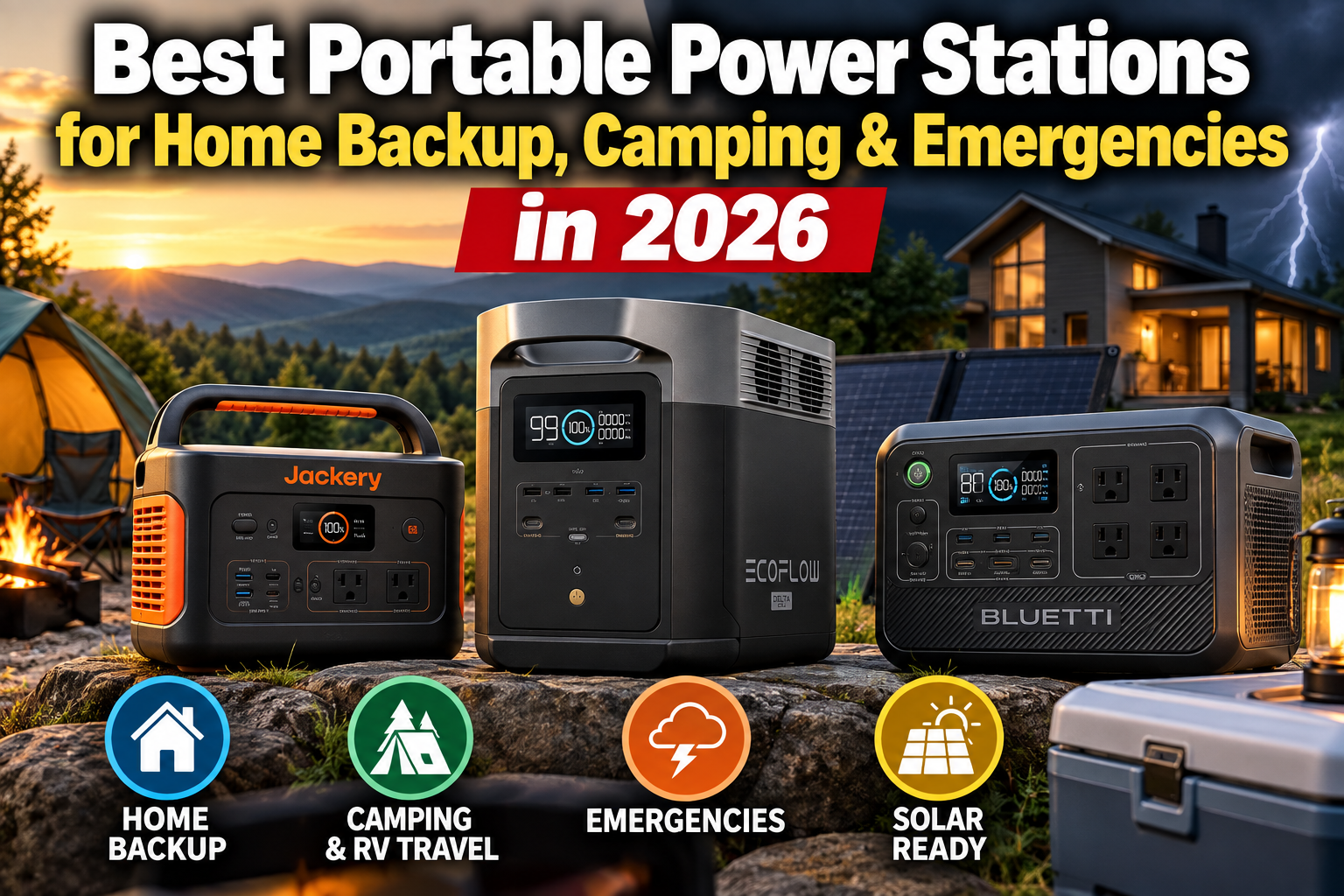
Best Portable Power Stations for Home Backup, Camping & Emergencies in 2026
Best Portable Power Stations for Home Backup, Camping & Emergencies in 2026
Compare capacity, power output, charging options, portability, and real-world uses to find the right portable power station for your needs.
Choosing a portable power station isn’t just about buying the biggest battery. The right model depends on what you need to power, how long you need it to run, how much output your appliances require, and whether you plan to use it at home, while camping, or in an RV.
In this guide, we’re comparing several popular 2,000Wh-class portable power stations and explaining what to look for before you buy. We’ve also included links to our more detailed comparisons so you can dig deeper into individual models.
Portable Power Stations at a Glance
| Model | Battery Capacity | AC Output | Battery Type | Good For |
|---|---|---|---|---|
| EcoFlow DELTA 3 Max | 2,048Wh | 2,400W | LiFePO4 | Home backup, appliances, camping |
| BLUETTI Elite 200 V2 | 2,073.6Wh | 2,600W | LiFePO4 | Home backup and high-power needs |
| Anker SOLIX S2000 | 2,010Wh | 1,500W | LiFePO4 | Essential home backup and portability |
| Jackery Explorer 2000 v2 | 2,042Wh | 2,200W | LiFePO4 | Home backup, RV and camping |
Specifications can change. Always check the manufacturer’s current specifications before purchasing.
What Should You Look for in a Portable Power Station?
1. Battery Capacity
Battery capacity is measured in watt-hours, or Wh. A higher Wh rating generally means more stored energy and potentially longer runtimes.
For example, a 2,000Wh-class station has roughly twice the stored energy of a 1,000Wh-class station under the same conditions.
2. AC Output
Capacity tells you how much energy is stored. Output tells you how much power the station can deliver at one time.
This matters when you’re trying to run appliances with higher wattage requirements.
3. Charging Speed
Look at how quickly the station can recharge from an AC outlet and how much solar input it supports.
Fast charging can be especially useful when a storm or outage is approaching.
4. Portability
A larger battery isn’t always better if you need to move it frequently. Consider weight, handles, wheels, and overall size.
Featured Portable Power Stations

EcoFlow DELTA 3 Max
The EcoFlow DELTA 3 Max combines a 2,048Wh LiFePO4 battery with 2,400W of AC output. EcoFlow also lists a 4,800W surge output and up to 500W of solar input.
Its combination of battery capacity and output makes this type of power station worth considering for home essentials, larger appliances, camping, and RV use.
Check EcoFlow on AmazonRead Our EcoFlow vs. BLUETTI Comparison →
BLUETTI Elite 200 V2
The BLUETTI Elite 200 V2 provides 2,073.6Wh of battery capacity and 2,600W of AC output. BLUETTI lists up to 1,000W of solar input.
That combination gives it plenty of capacity for extended essential-device use and enough output for many higher-demand appliances.
Check BLUETTI on AmazonRead Our EcoFlow vs. BLUETTI Comparison →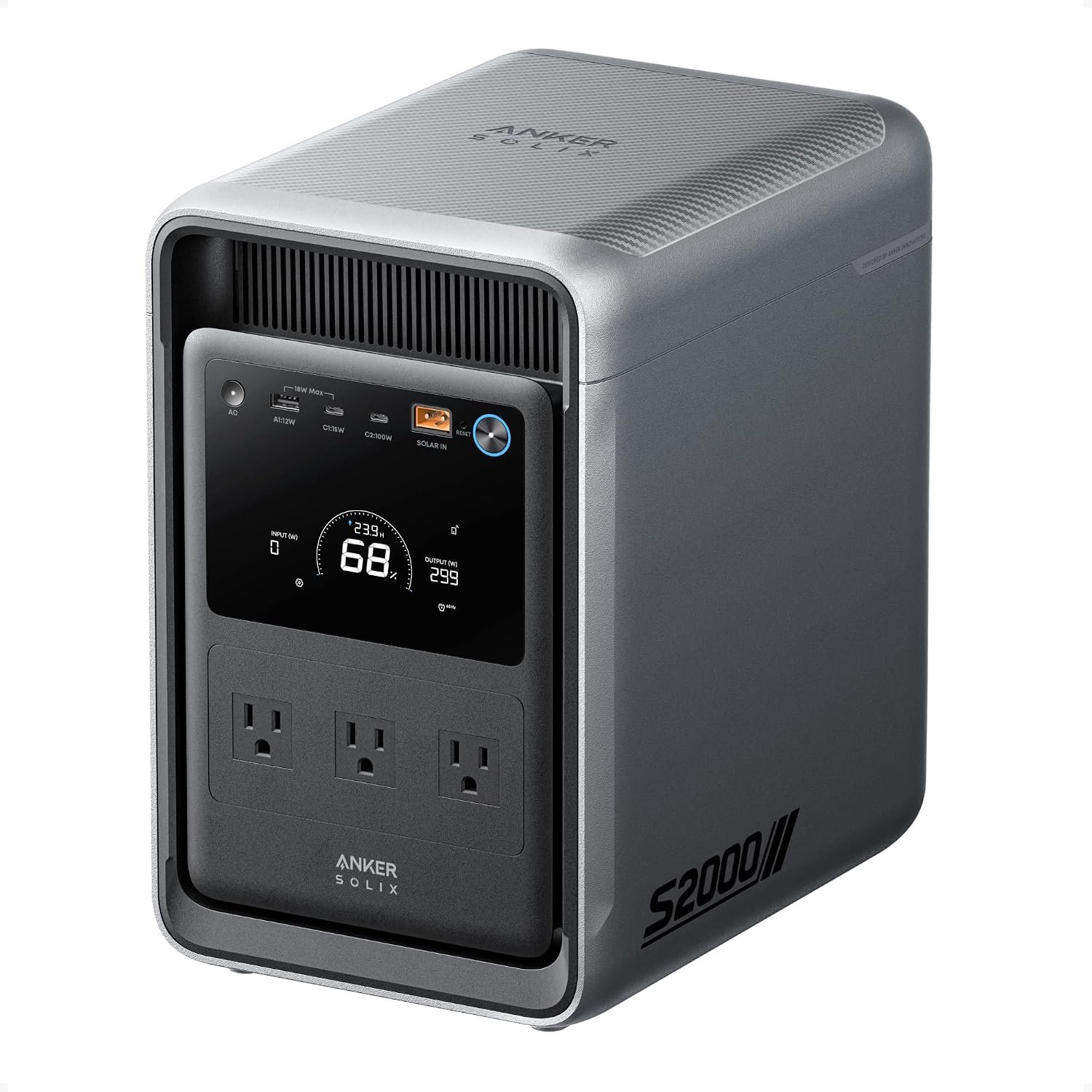
Anker SOLIX S2000
The Anker SOLIX S2000 is a 2,010Wh portable power station with 1,500W of continuous AC output. Its compact 2kWh-class design makes it interesting for shoppers who want substantial battery capacity without moving into much larger power stations.
Anker also highlights its LiFePO4 battery, low idle power consumption, and long battery life.
Check Anker on AmazonRead Our Anker vs. Jackery Comparison →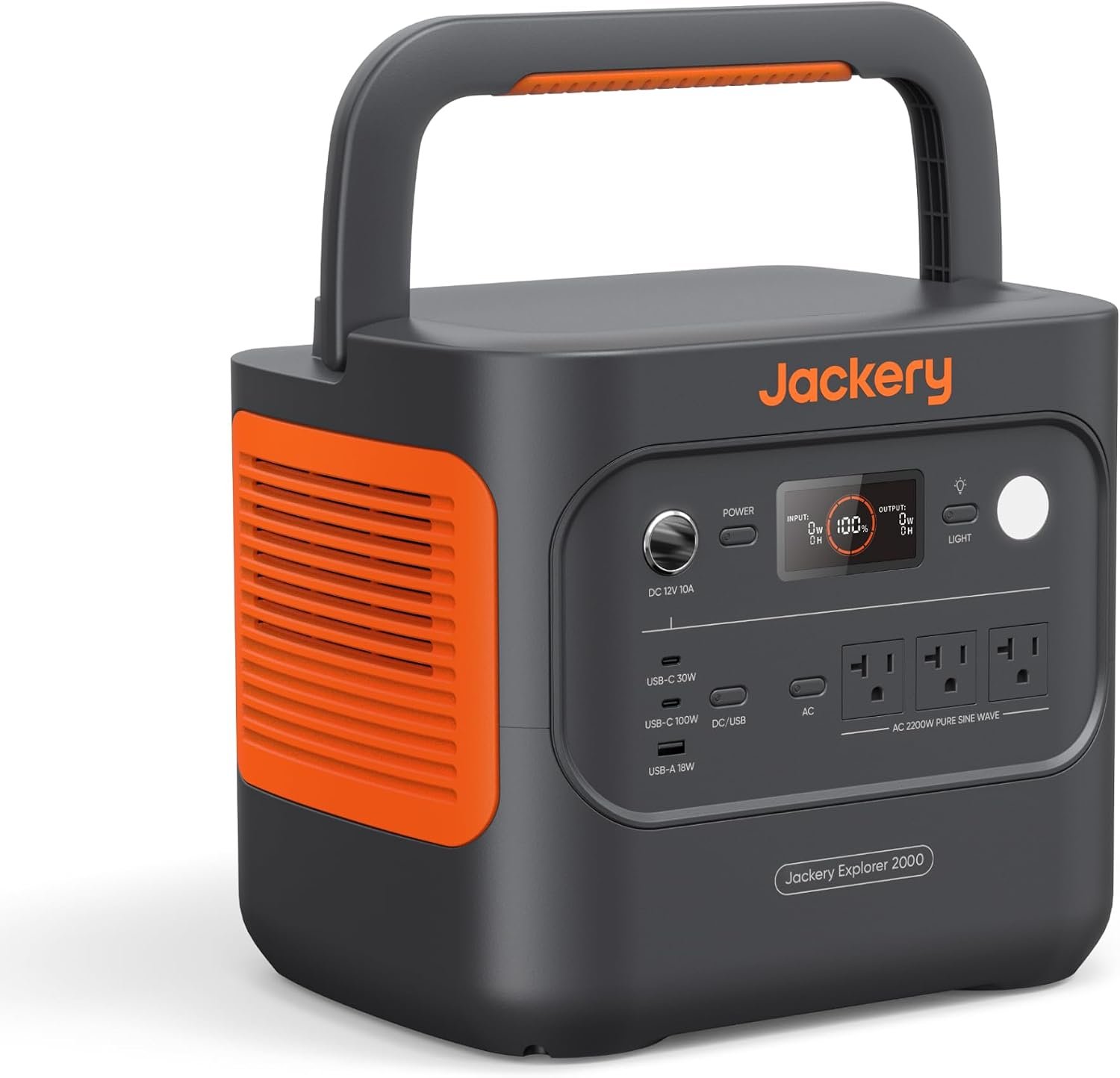
Jackery Explorer 2000 v2
The Jackery Explorer 2000 v2 has a 2,042Wh LiFePO4 battery and 2,200W of continuous AC output with 4,400W surge capacity.
Jackery lists the unit at approximately 39.5 pounds, making it a useful option for shoppers who want a large battery but still need to move the power station around.
Check Jackery on AmazonRead Our Anker vs. Jackery Comparison →Portable Power Stations for Home Backup
A portable power station can be useful during a short power outage when you want to keep essential electronics and selected appliances operating without starting a gas engine.
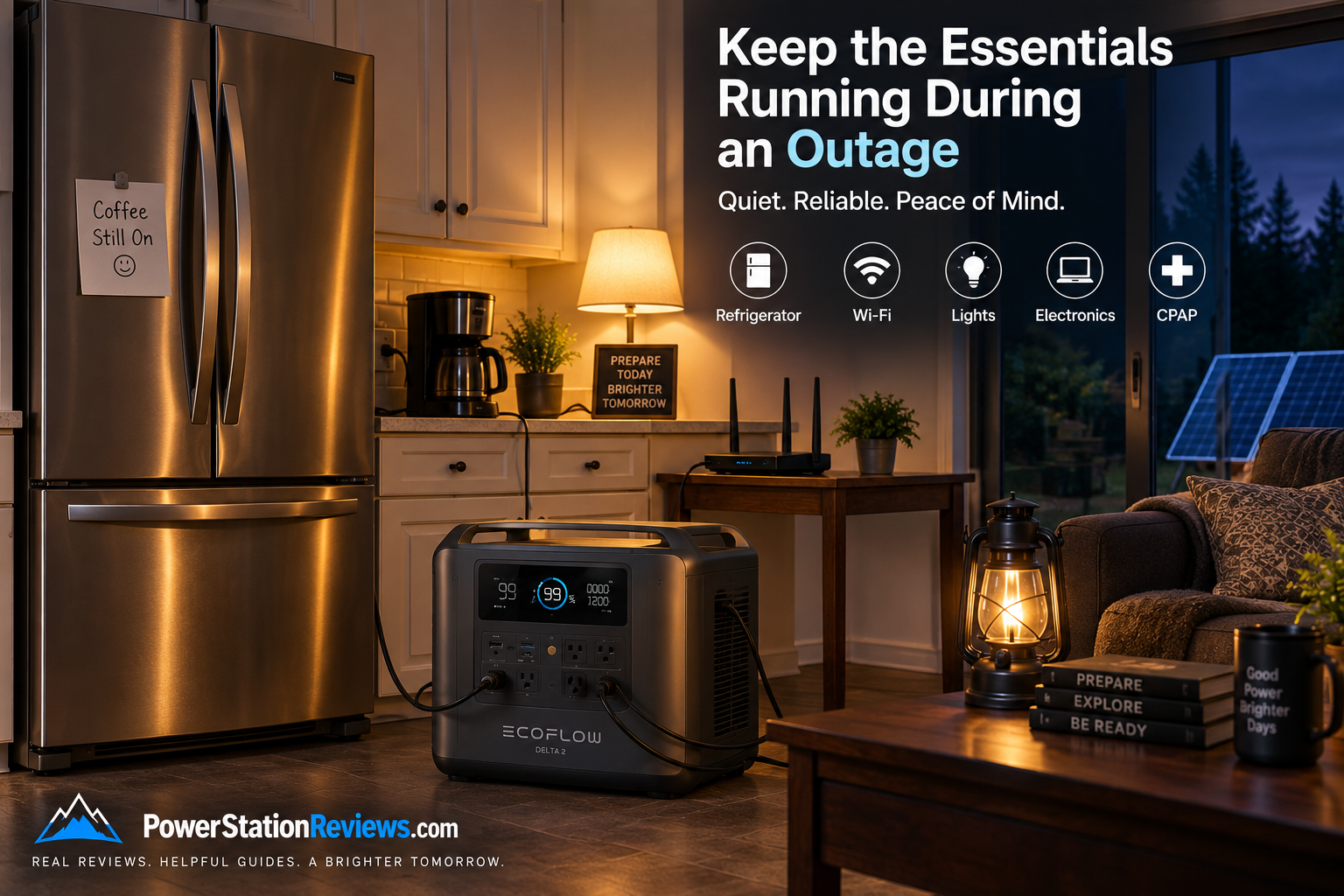
A properly sized portable power station can help keep essential home devices operating during an outage.
Common home backup uses
Depending on the station’s output and your appliances’ power requirements, common uses can include a refrigerator, freezer, Wi-Fi router, lights, phones, laptops, televisions, CPAP equipment, and other essential electronics.
Keep in mind that battery capacity is limited. Running several high-wattage appliances at the same time can drain a portable power station quickly.
Not Sure How Much Battery Capacity You Need?
Our 1,000Wh vs. 2,000Wh guide explains the practical differences between these two popular battery sizes and what each can realistically be used for.
Compare 1,000Wh vs. 2,000Wh →Portable Power Stations for Camping & RV Use
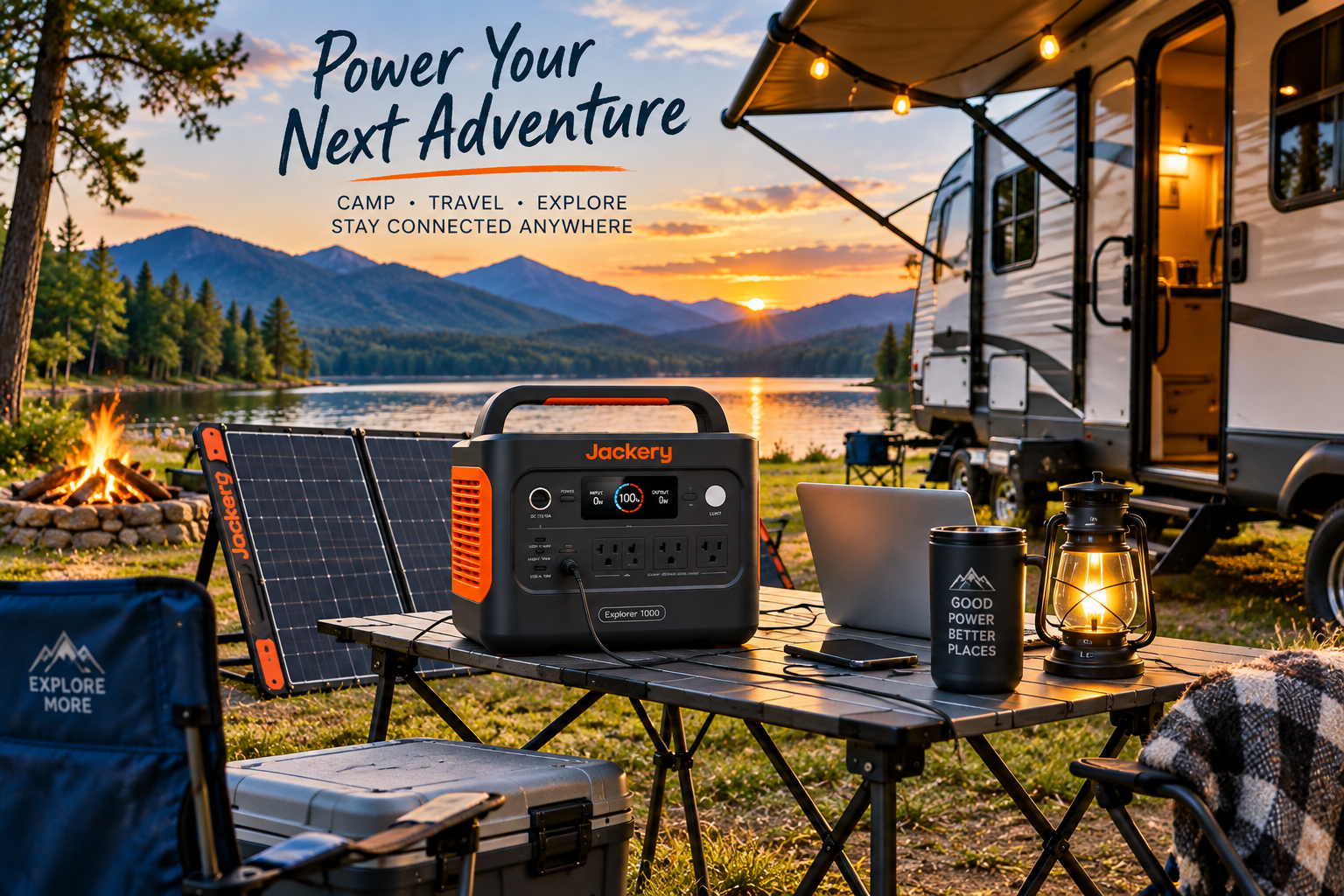
Portable power stations can provide quiet electricity for camping, RV trips, and off-grid adventures.
Camping and RV users have different priorities than homeowners. Portability, solar charging, outlet selection, USB ports, and battery capacity can all matter.
A smaller station may be easier to carry for weekend camping, while a 2,000Wh-class unit can make more sense when you need to run a refrigerator, cooler, CPAP machine, laptop, lights, or other equipment for longer periods.
What Can a 1,000Wh Power Station Run?
A 1,000Wh-class power station can be a useful middle ground for camping, emergency electronics, small appliances, and short-duration backup.
The actual runtime depends on the device’s wattage, the station’s efficiency, and how the station is being used. A device drawing 100 watts will use energy much more slowly than an appliance drawing 1,000 watts.
That’s why battery capacity alone doesn’t tell the whole story.
See Our Full 1,000Wh vs. 2,000Wh Guide →What Can a 2,000Wh Power Station Run?
A 2,000Wh-class portable power station gives you roughly twice the stored energy of a 1,000Wh-class station, although actual usable energy will vary.
This larger capacity can be useful when you need longer runtimes or want to operate multiple essential devices during a power outage.
Examples can include refrigerators, freezers, networking equipment, lighting, laptops, televisions, small kitchen appliances, and other equipment—provided the power station’s output is sufficient for the load.
Solar Charging: Is It Worth Adding Solar Panels?
One of the biggest advantages of a portable power station is the ability to recharge the battery from solar panels.
Solar charging can be especially useful for camping, RV travel, off-grid use, and extended outages. However, solar charging speed depends on the station’s maximum solar input, panel wattage, sunlight, panel positioning, weather, and other conditions.
Solar panels also don’t magically create unlimited energy. They can extend the useful operating time of a battery system, but the available sunlight and the power being consumed still matter.
Portable Power Station vs. Gas Generator
Battery-powered portable power stations and gas generators solve similar problems in very different ways.
| Feature | Portable Power Station | Gas Generator |
|---|---|---|
| Fuel | Rechargeable battery | Gasoline or other fuel |
| Noise | Generally much quieter | Engine noise |
| Exhaust | No engine exhaust | Produces exhaust and carbon monoxide |
| Solar charging | Available on many models | Not applicable to a conventional gas generator |
| Long outages | Limited by battery capacity and recharge options | Can continue operating while fuel is available |
| Maintenance | Generally less routine maintenance | Engine maintenance is required |
Safety Matters During a Power Outage
Portable battery power stations don’t produce the engine exhaust associated with gas generators, but you should still follow the manufacturer’s instructions for operation, charging, ventilation, and electrical loads.
If you use a gas generator, never operate it inside a home, garage, basement, crawlspace, shed, or other enclosed area. Portable generators must be operated outdoors and positioned safely away from the home and openings where exhaust could enter.
For gas-generator safety, always follow the manufacturer’s instructions and use working carbon-monoxide alarms in the home.
How Much Portable Power Do You Actually Need?
Small Power Needs
If your main goal is phones, tablets, cameras, laptops, lights, and other smaller electronics, a compact power station may be enough.
Camping & RV
A mid-size station can provide more flexibility for lights, electronics, coolers, CPAP machines, and other camping equipment.
Home Essentials
A 1,000Wh to 2,000Wh-class station can provide considerably more stored energy for refrigerators, networking equipment, lighting, and essential electronics.
Extended Backup
If you need to support larger loads for long outages, look at expandable systems and larger home-backup solutions rather than assuming one portable battery will power everything.
Things to Check Before Buying
- Battery capacity: Look at the Wh rating.
- Continuous output: Make sure it can handle the devices you want to run.
- Surge output: Consider appliances with motors and compressors.
- Charging speed: Check AC and solar charging capabilities.
- Solar input: More solar input can mean faster solar recharging when conditions allow.
- Battery chemistry: LiFePO4 is common among current portable power stations.
- Weight: Make sure you can realistically move the unit.
- Ports: Check the number and type of AC, USB, and DC outputs.
- Warranty: Review the manufacturer’s current warranty terms.
- Your actual appliances: Don’t buy capacity you don’t need—or too little capacity for your intended use.
Related Portable Power Guides
EcoFlow vs. BLUETTI: Which Portable Power Station Should You Buy?
Compare two popular 2,000Wh-class portable power stations.
Anker vs. Jackery: Which Portable Power Station Is Better for You?
Compare capacity, output, portability, battery technology, and features.
1,000Wh vs. 2,000Wh Power Station
See how the two popular battery sizes compare for real-world use.
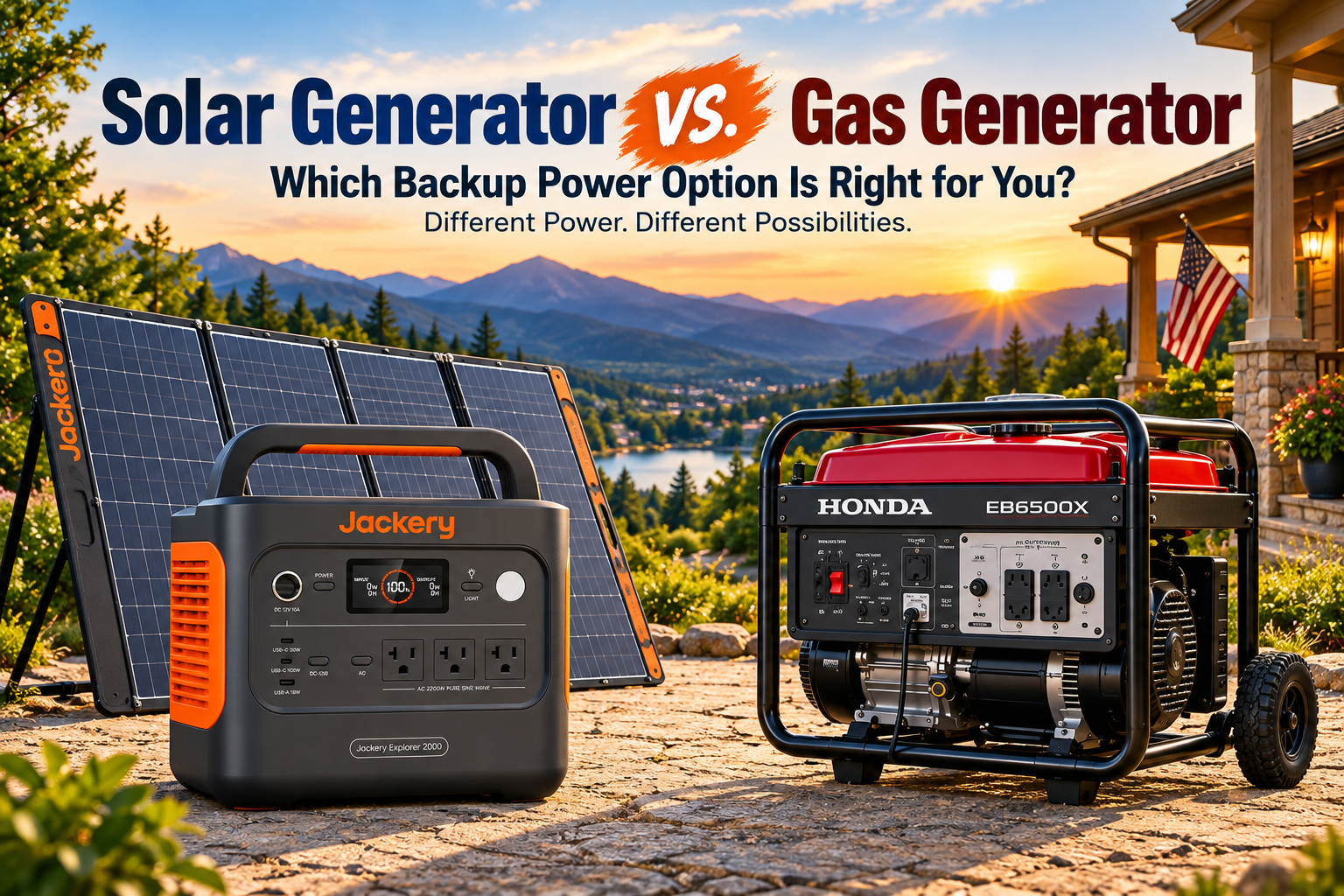
Solar Generator vs. Gas Generator
Compare battery-based backup power with traditional gas generators.
Still Not Sure What Size Power Station You Need?
Use our PowerStationReviews calculator to help narrow down the amount of portable power you may need based on your home and backup requirements.
Use the Power Station Calculator →Frequently Asked Questions
What is the best size portable power station for home backup?
There isn’t one size that fits every home. A 1,000Wh-class unit can work for smaller essential loads, while a 2,000Wh-class unit provides more stored energy for larger or longer-running loads. Larger expandable systems are available when more backup capacity is needed.
Can a portable power station run a refrigerator?
Many portable power stations can run a refrigerator, but you need to check the refrigerator’s running and startup power requirements against the station’s output. Runtime also depends on the refrigerator’s actual energy consumption.
Are portable power stations safe to use indoors?
Battery-based portable power stations do not have the engine exhaust produced by gas generators, but you should always follow the manufacturer’s instructions for indoor use, charging, ventilation, and electrical safety.
Can a portable power station replace a gas generator?
For some situations, yes. Portable power stations can be convenient for shorter outages, camping, electronics, and essential appliances. Gas generators can provide longer continuous operation when fuel is available. The right choice depends on your power requirements and intended use.
Is 2,000Wh enough for a power outage?
A 2,000Wh-class station can provide useful backup power for essential devices and selected appliances, but runtime depends heavily on the wattage of the equipment being powered. Higher loads consume the battery faster.
Are portable power stations worth it for camping?
They can be useful when you want quiet, rechargeable power for electronics, lights, coolers, CPAP machines, laptops, and other equipment. Solar charging can also provide an additional way to recharge when you’re away from an electrical outlet.
Final Thoughts
The best portable power station for you depends less on a simple ranking and more on what you actually need to power.
Start with your appliances and devices. Determine their wattage requirements, decide how long you want them to run, and then look at battery capacity, output, charging speed, solar input, portability, and battery chemistry.
For many shoppers, the 1,000Wh to 2,000Wh range is a useful place to start because these stations can provide substantially more energy than small power banks while remaining portable enough for camping, RV use, and emergency backup.
Ready to Compare Portable Power Stations?
Explore our detailed comparisons and guides before choosing your next portable power station.
EcoFlow vs. BLUETTIAnker vs. Jackery1,000Wh vs. 2,000WhPowerStationReviews Home →Affiliate Disclosure: PowerStationReviews.com may earn a commission when you purchase products through some of the links on this page. This does not change the price you pay. Product specifications and pricing can change, so always verify current information with the manufacturer or retailer before purchasing.